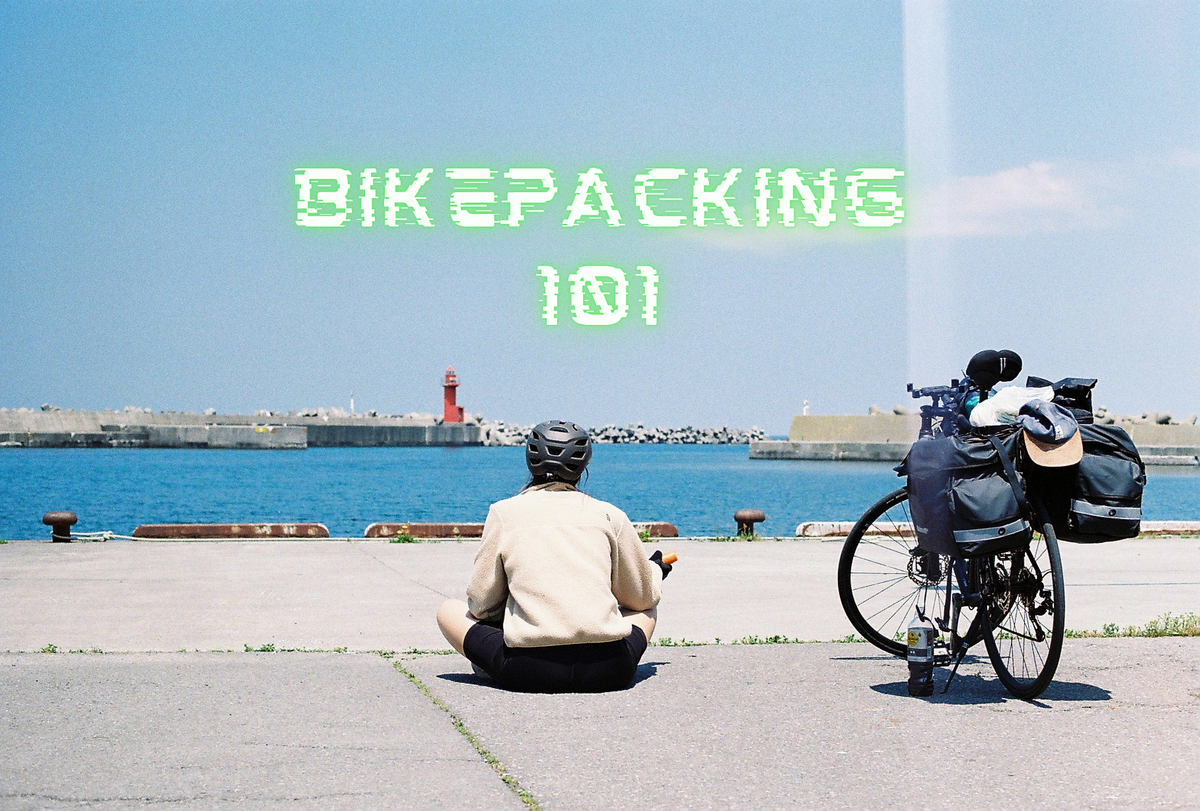
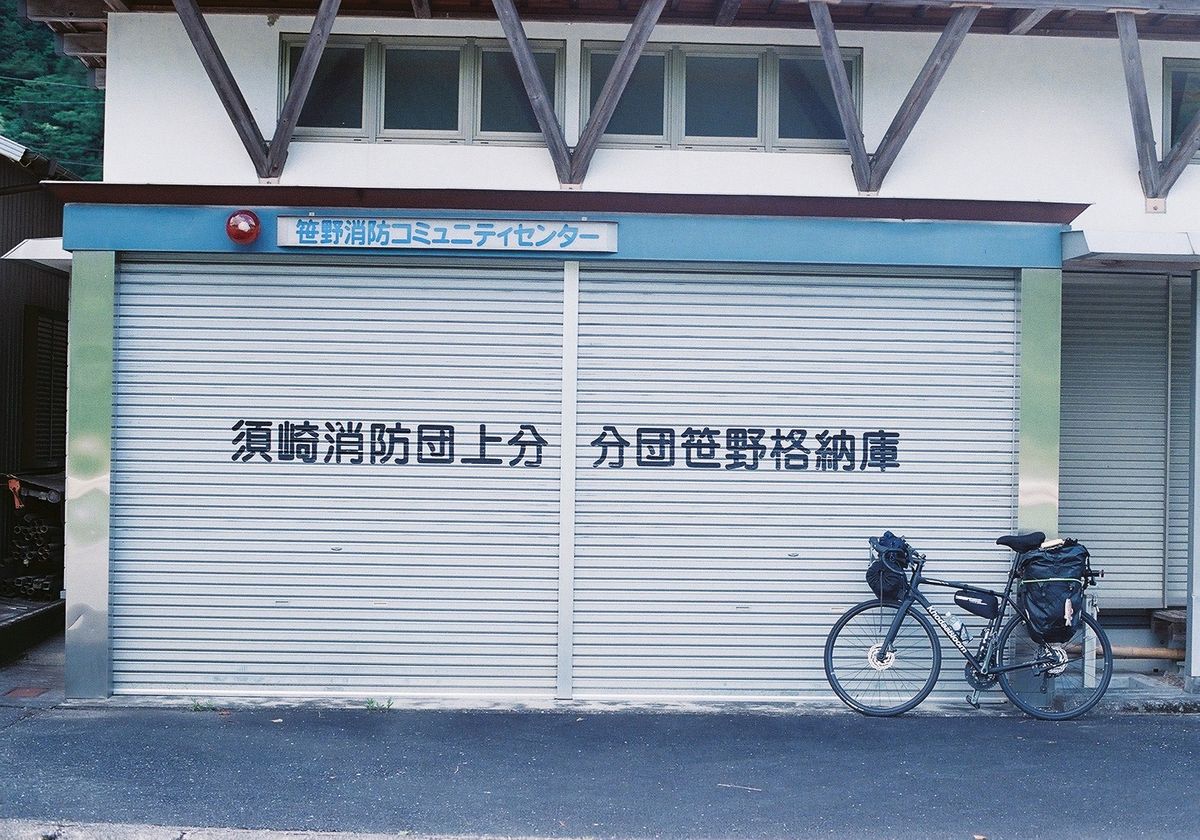
Bikepacking can be a wide range of things. It's not only for experienced cyclists and also not only for people with big budgets. Here is the 101 of what we know, and we're sure there's even more out there to learn!
Bikepacking can be a wide range of things. It's not only for experienced cyclists and also not only for people with big budgets. Here is the 101 of what we know, and we're sure there's even more out there to learn!
When we first got on our bikes, I was honestly hesitant. Y had some experience cycling, though not much, and my experience was summed up to riding my city single speed to the cafe for brunch. But the truth is bikepacking can be whatever you want it to be. It can be slow or fast, far or near, pricey or cheap. You don’t need crazy gear or the best bike. You need a pair of wheels, a place to stay and some clothes. For our first three months we didn’t even wear padded pants.
If you’re thinking about taking your first trip, here is how to get started without overcomplicating it.
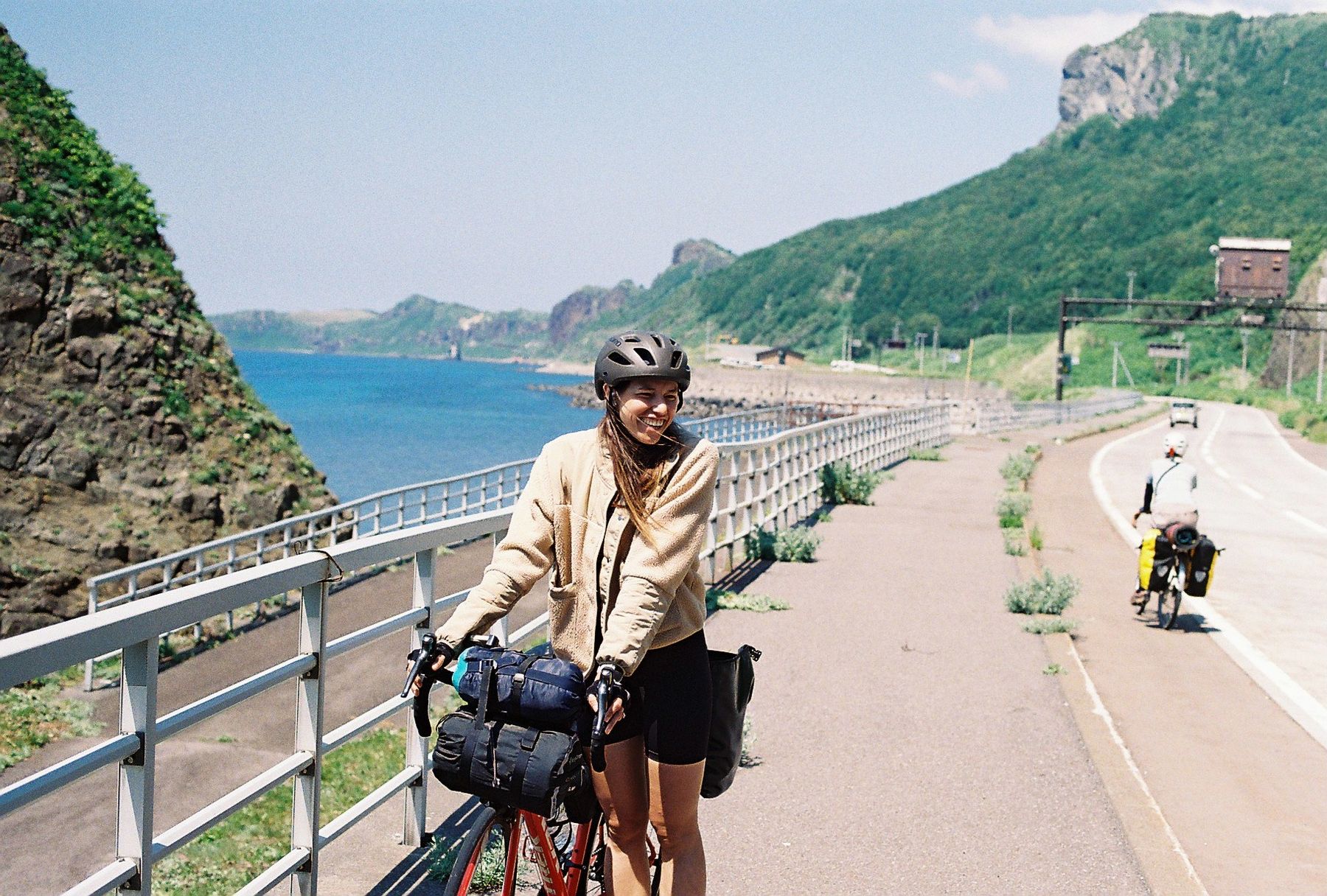
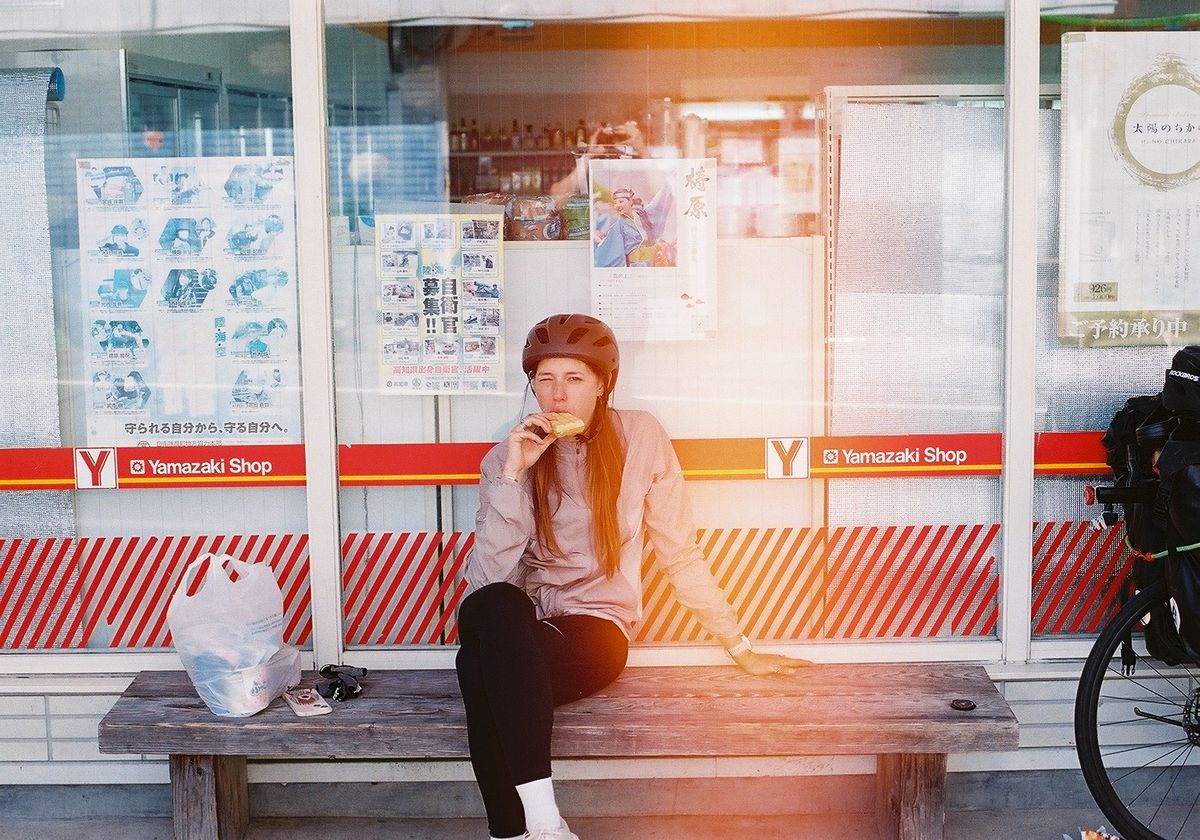
Forget the extreme 150 km mountain grinds you see online. Bike touring can be that, but it can also be a simple, repetitive rhythm of coffee, packing bags, riding morning miles, hiding in AC during peak heat, and finding a place to crash. And that sounds like a sweet day to me.
Read the full breakdown: A day in the life.
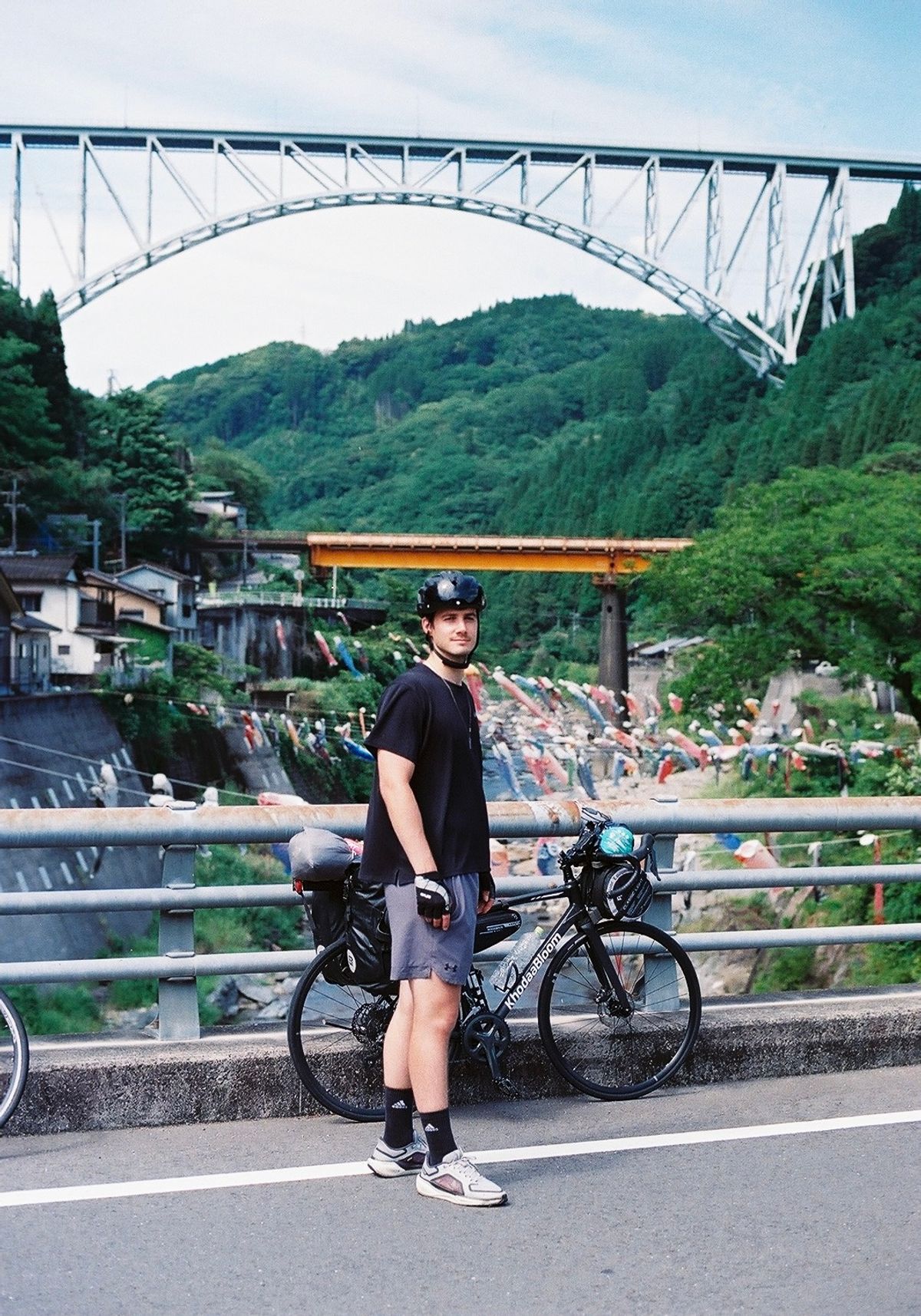
You do not need a $4,000 carbon gravel bike or custom-made frame bags to go bikepacking. For our first trips, we used basic bags, everyday athletic clothes, a gel seat cover, and simple setups.
The Essentials: A working bike, a reliable helmet, a basic flat tire repair kit, lights, and a reliable way to strap gear to your frame or rack.
The Upgrades: Padded shorts (when you're ready), dedicated bikepacking bags, and lightweight camping gear.
You can see all our gear listed on our gear page.
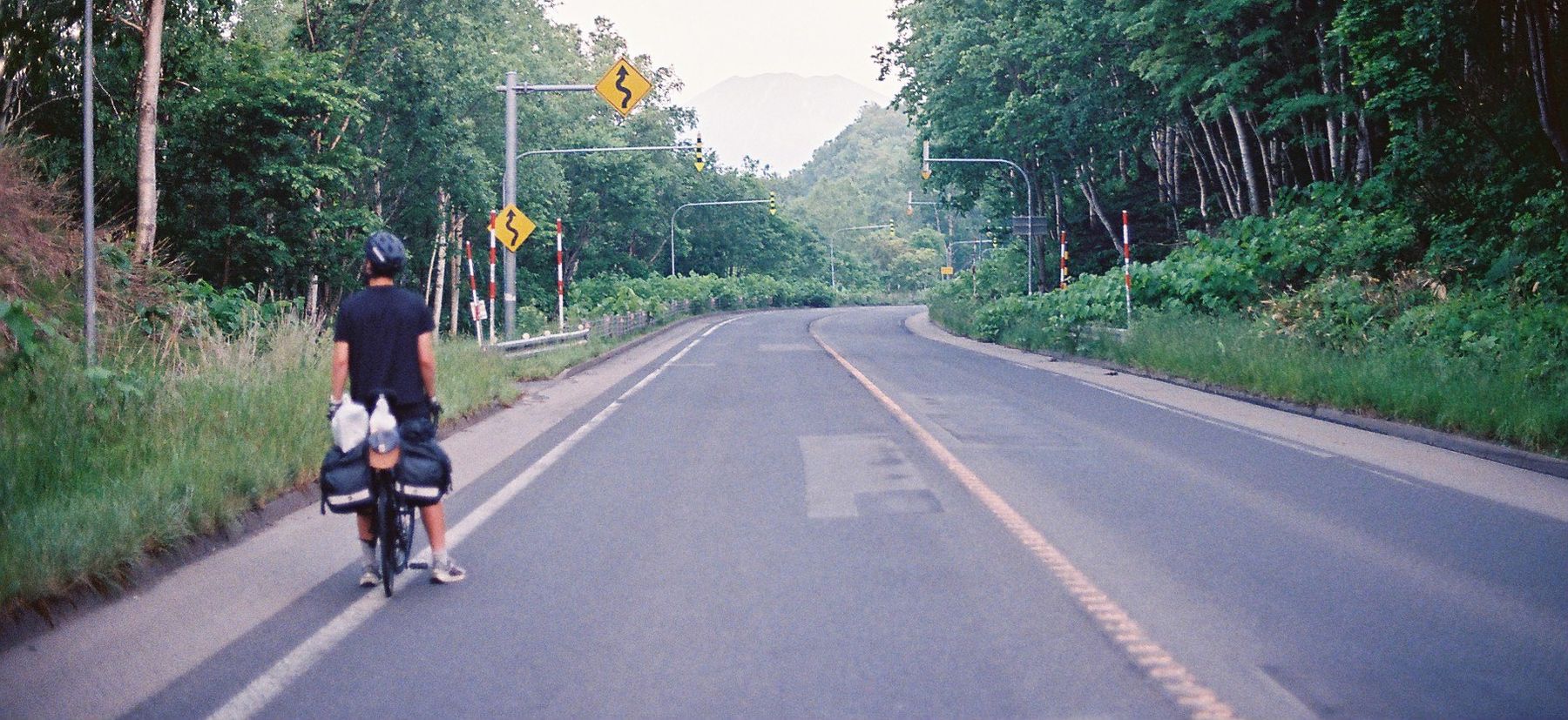
You don’t have to strictly stick to dedicated bike paths, we certainly didn't. However, you cannot blind-trust whatever route a navigation app generates for you.
Check the Elevation and Surface: Navigation apps like Komoot or Google Maps will occasionally route you onto heavy, high-speed highways, unpaved gravel trails, or massive mountain climbs without warning. Always review the detailed elevation profile and road surfaces before rolling out, and manually adjust the route to avoid busy main roads.
Keep Days Short at First: Give yourself manageable daily distances so you are not rushing.
Leave Room for Mistakes: You will take wrong turns or hit unexpected hills. A flat tire hear, a headache there. Giving yourself extra time keeps the day fun instead of stressful.
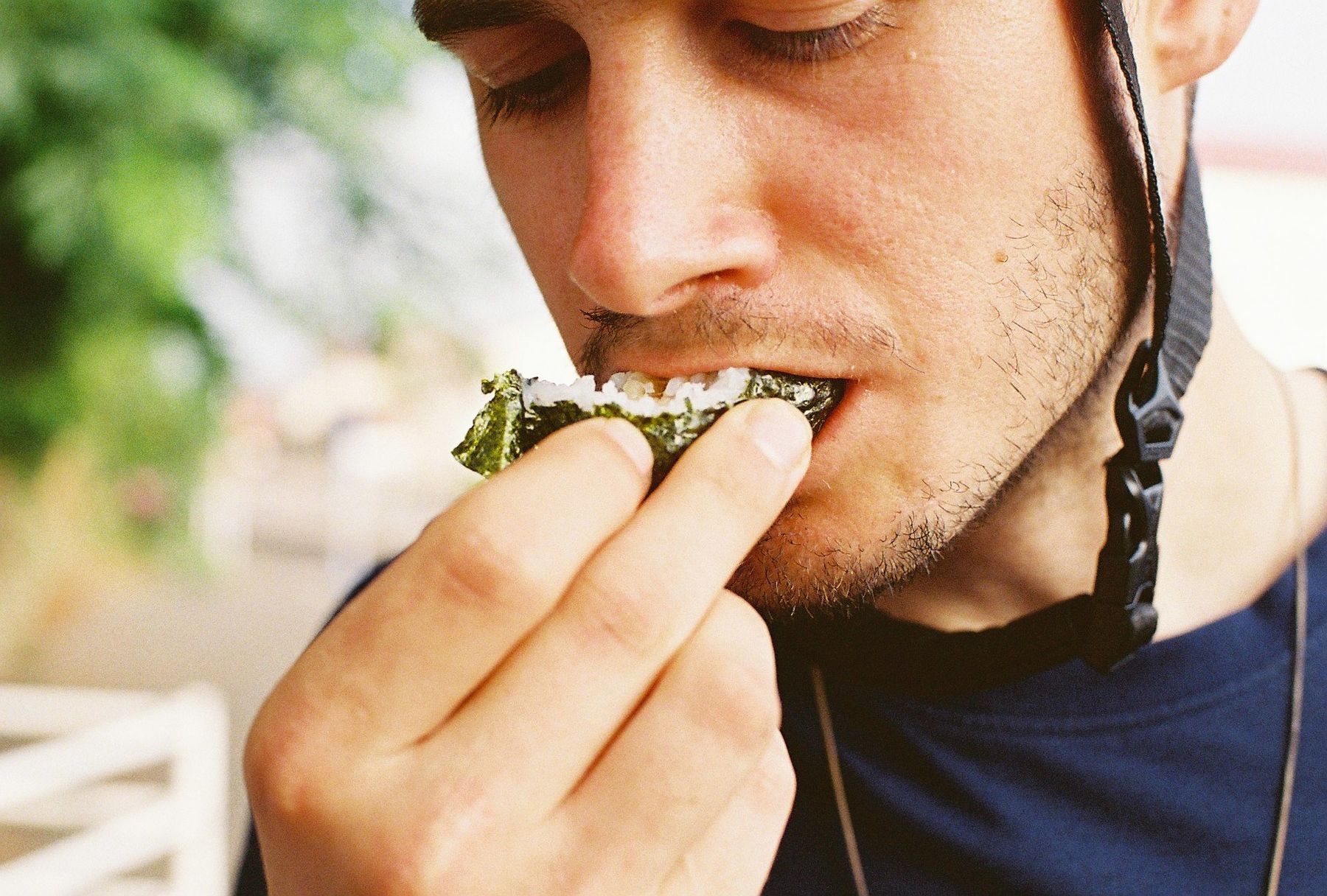
Where you sleep dictates how you pack. Your style can completely change depending on the country or trip.
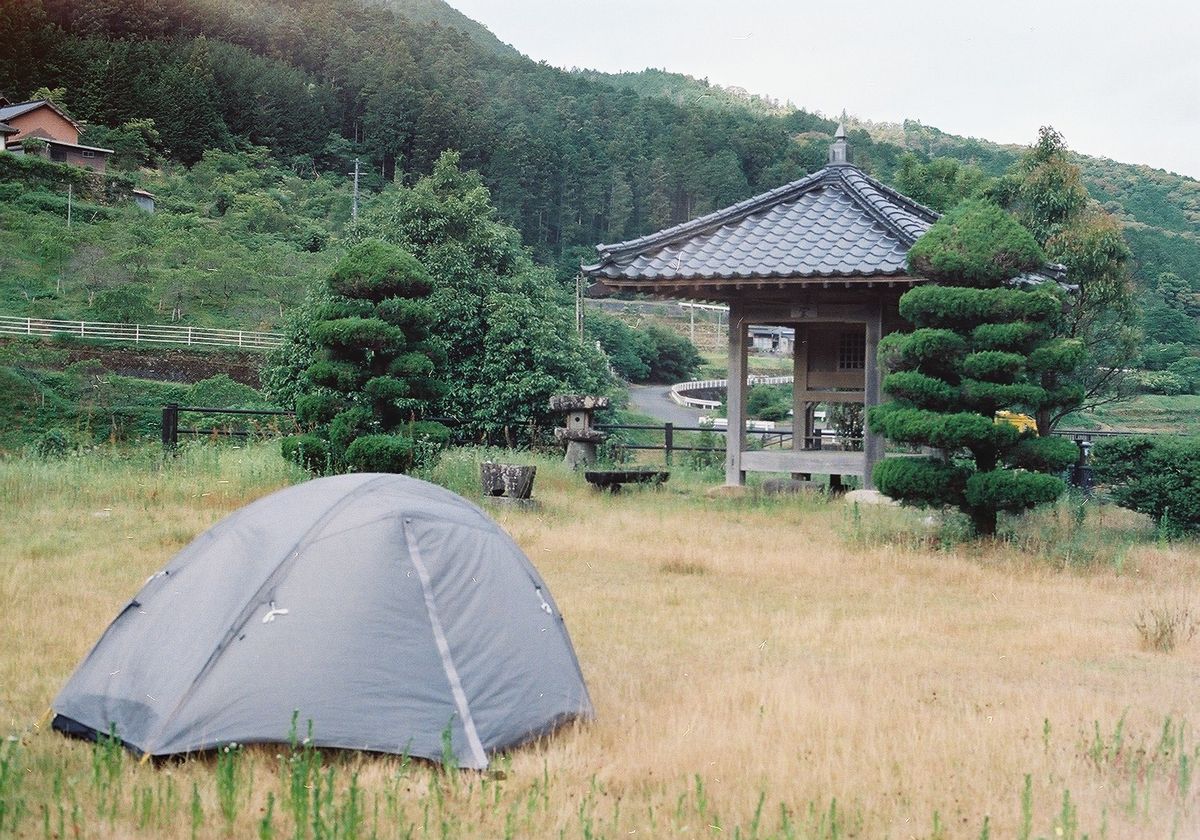
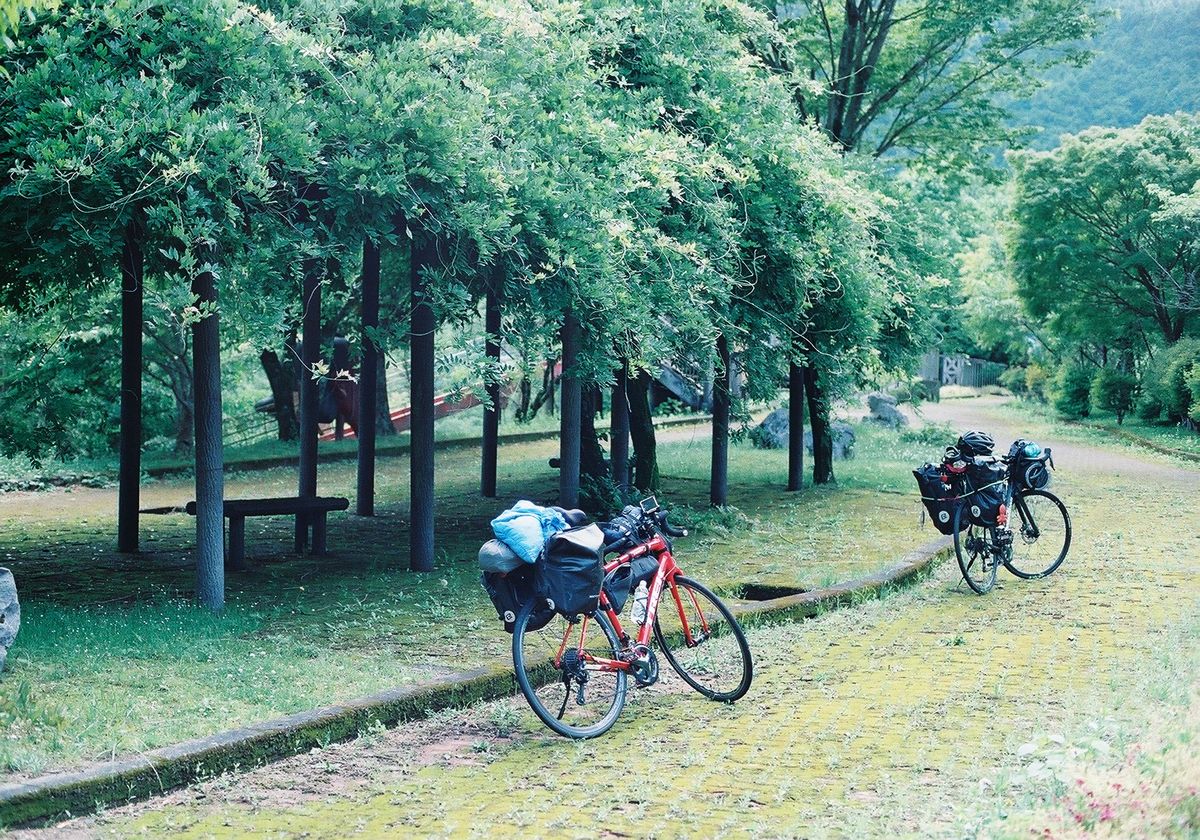
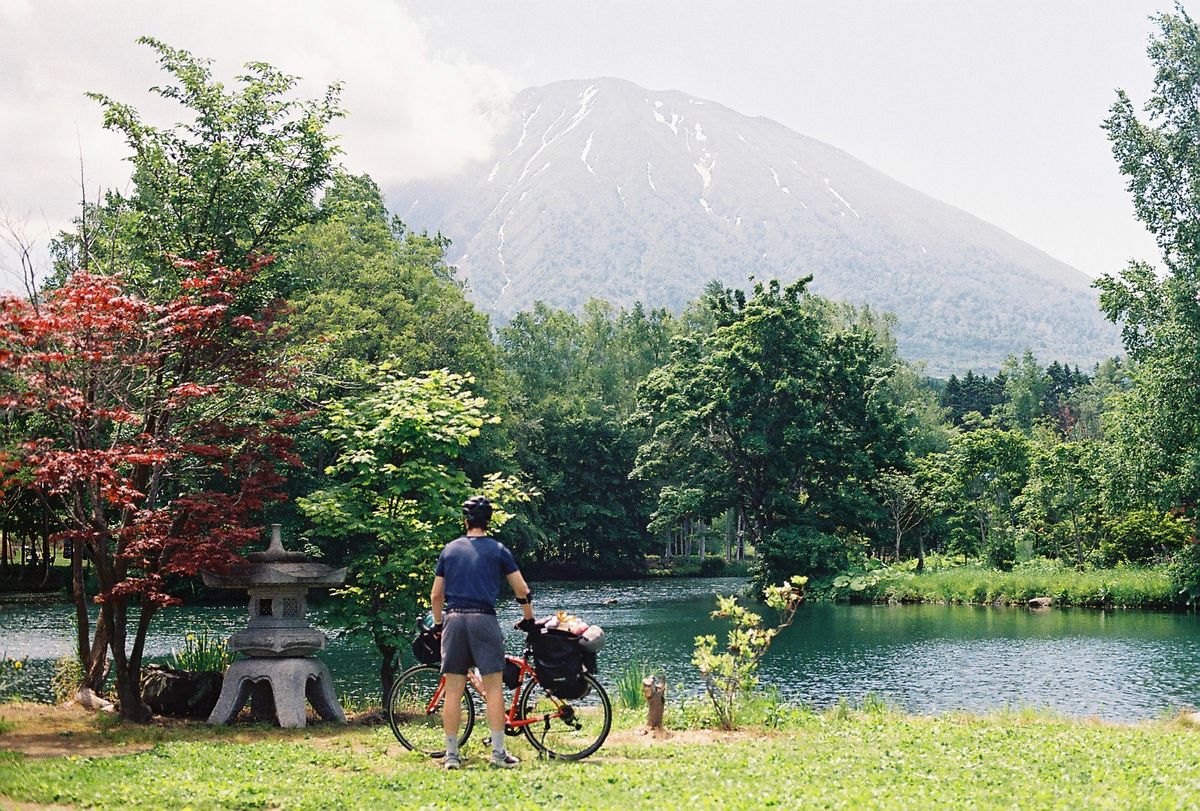
Camping: Carrying a tent, sleeping pad, and stove adds weight to your bike, but gives you complete freedom and keeps costs minimal. This was our primary setup while cycling through Japan.
Credit Card Touring: Staying in budget motels, love hotels, or Jjimjilbangs lets you ride significantly lighter. This was how we handled our trip across South Korea.
Riding for several hours day after day takes adjustment, but severe pain isn't something you just have to tough out.
We spent our first three months using a basic gel pad on top of the saddle before eventually upgrading to proper padded shorts. Finding the right saddle setup, adjusting your bike fit, and knowing when to upgrade your gear makes long days in the saddle far more enjoyable.