South Korea · guide
Sleeping on the Trail: Jjimjilbangs vs. Love Motels (Post-COVID Reality)
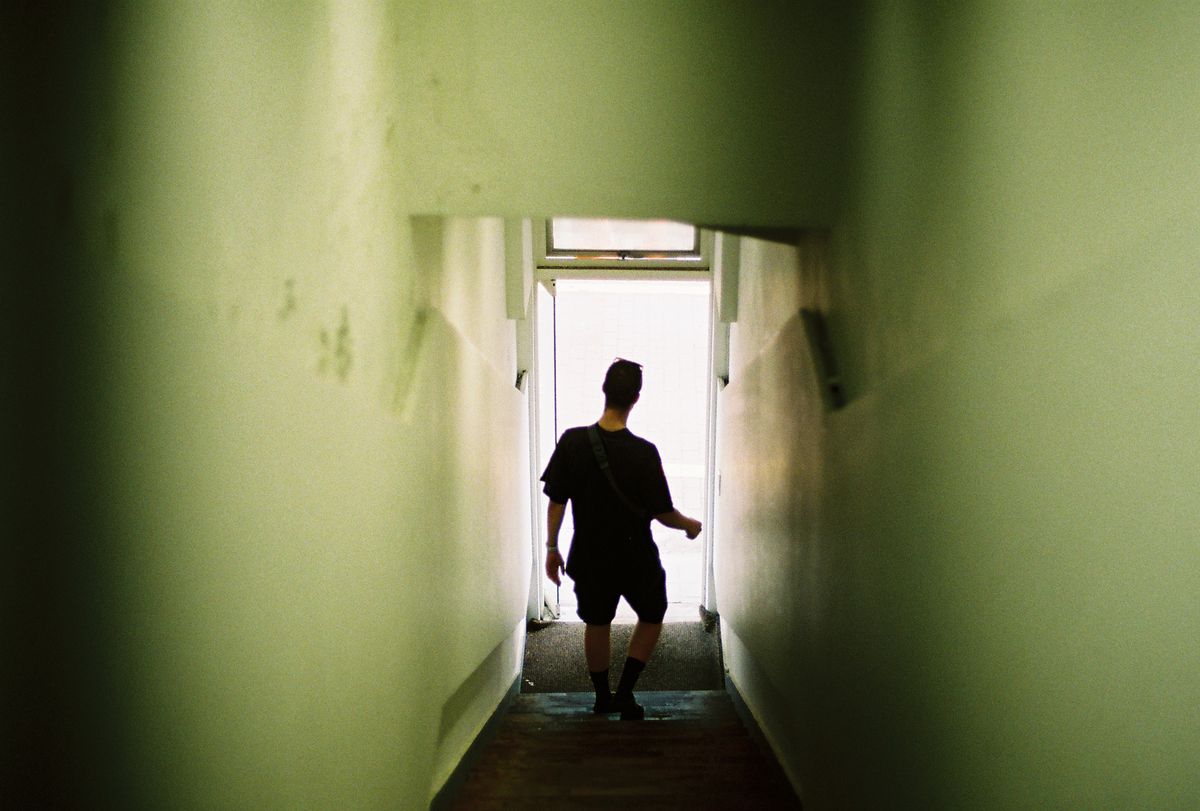
The Jjimjilbang Experience
Jjimjilbangs are an incredible cultural experience and cost practically nothing (around 12,000–18,000 KRW / $10–$14 USD per night).
The Routine: You leave your shoes and bike bags at the entrance, put on the matching cotton uniform you are handed, and head into the communal areas. Downstairs are the hot baths, while the main hall features saunas, ice rooms, food stands, and open floor space for sleeping.
Sleeping: You grab a very thin sleeping mat and a hard block pillow, pick a spot on the floor in the main hall, and sleep alongside everyone else.
The Catch: Many rural Jjimjilbangs closed permanently during COVID. Do not rely on old online blog posts: verify that a bathhouse is currently open before rolling up at 8:00 PM expecting a bed.
Love Motels: The Real Bikepacker Savior
When Jjimjilbangs were not an option, we stayed at motels. In Korea, almost all budget roadside motels operate as "Love Hotels," but do not let the name turn you off.
Why They’re Great: They are extremely clean, quiet, cheap (usually 40,000–60,000 KRW / $30–$45 a night), and come loaded with amenities like giant bathtubs, free water, coffee, and toiletries.
Bikes in Rooms: Because you enter quietly and rooms are usually spacious, owners rarely care if you bring your clean bicycles inside or park them in the secure lobby.
Small Town Hospitality: As you get further from Seoul, small-town owners will often spot you pulling up on a bike and pop out from down the street, already knowing your name from your online booking simply because you are the only foreigners in town.