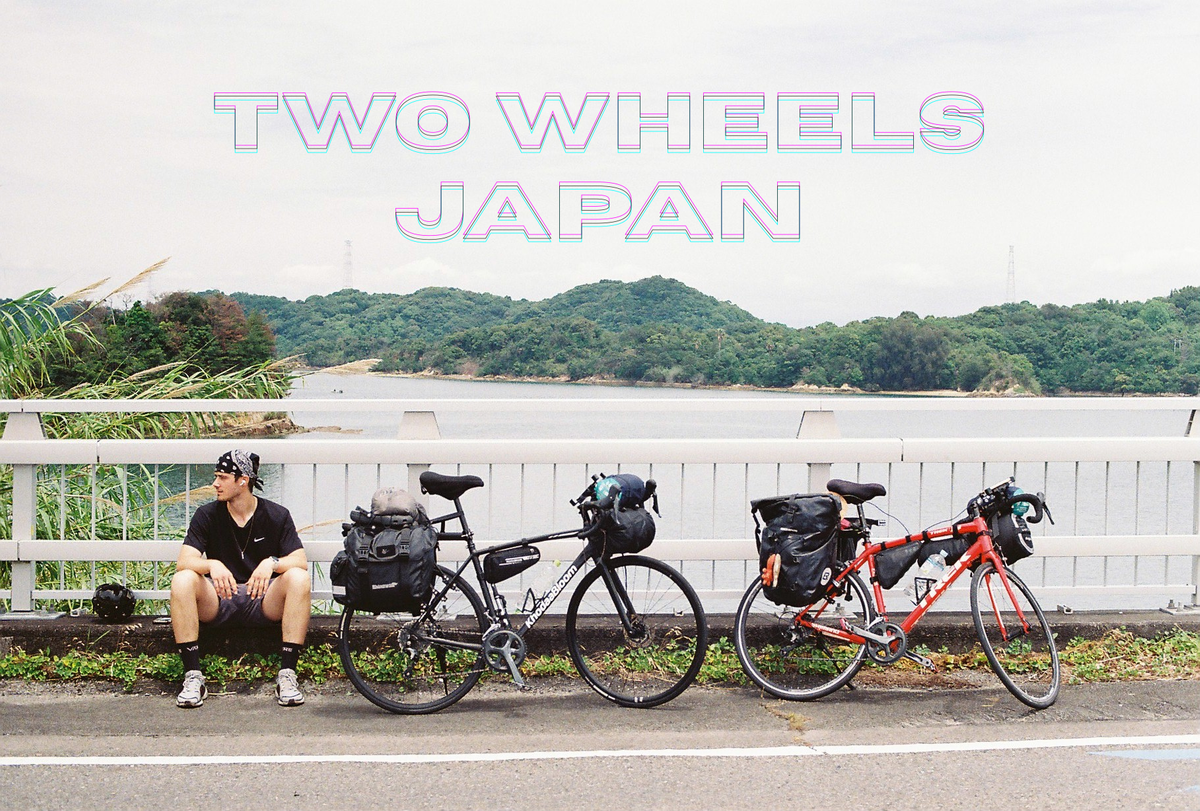
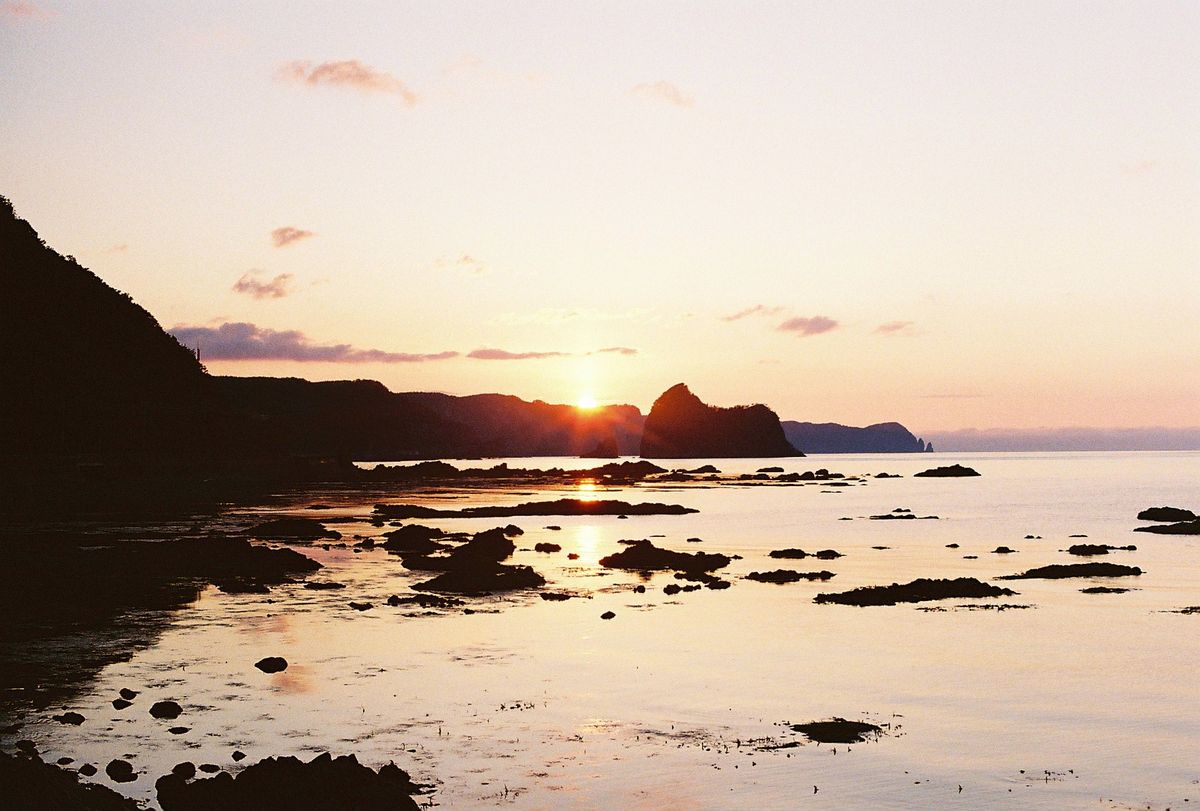
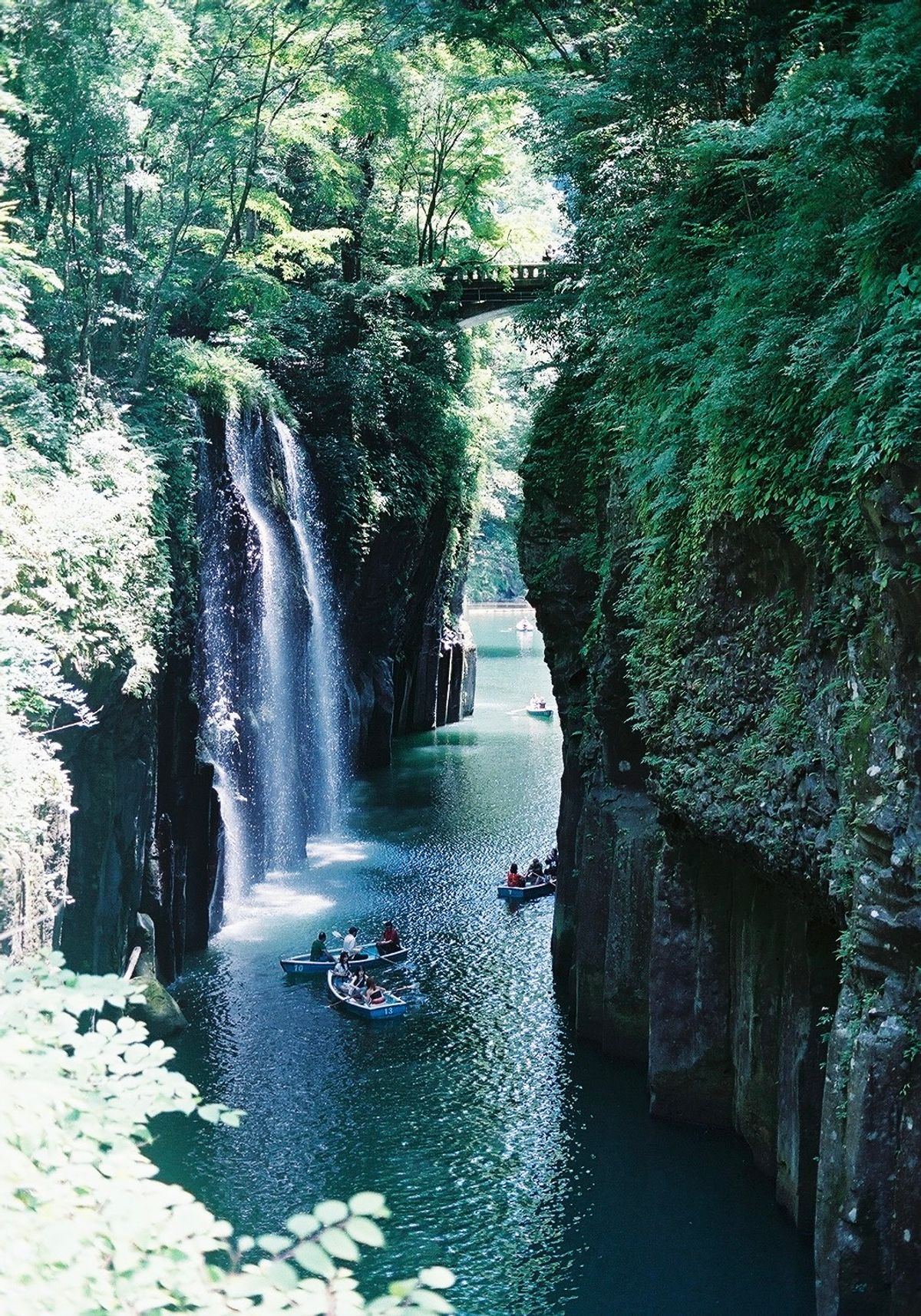
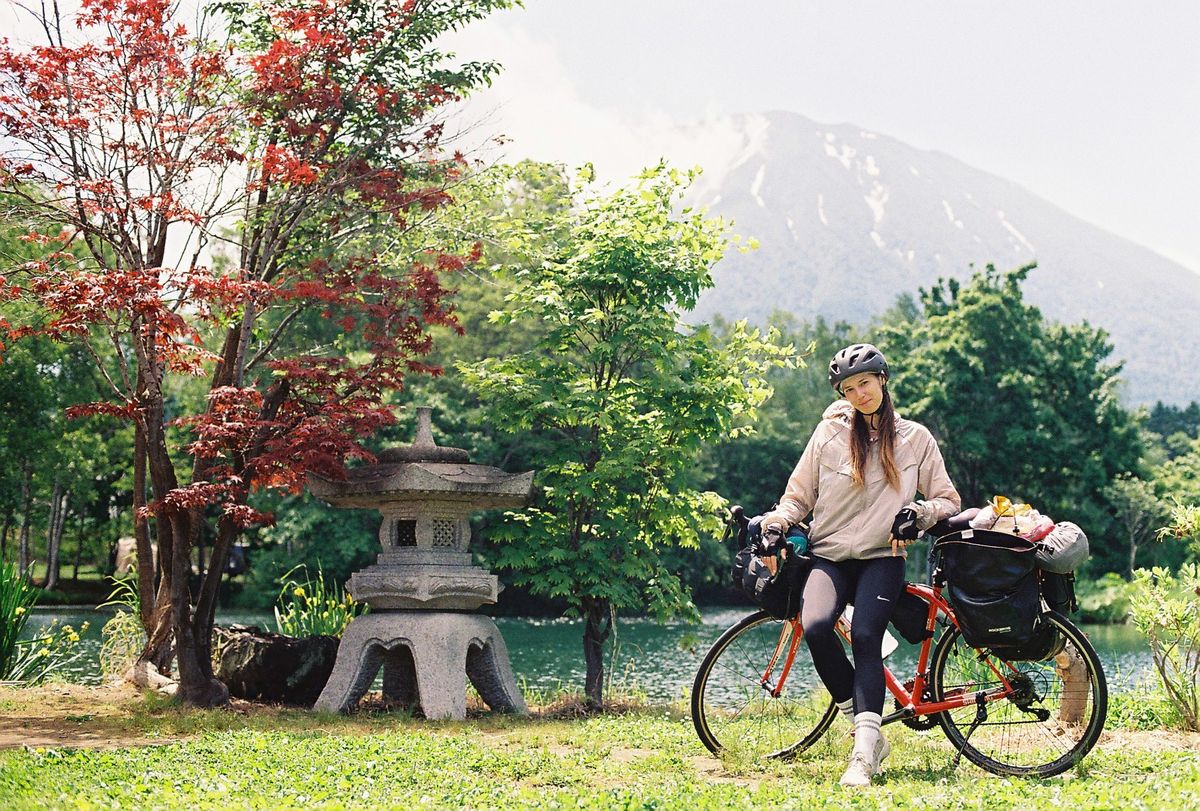
Bikepacking Japan is a trip of a lifetime. We spent two months cycling the country, but we met people who did as much as a year (!) along with riders who came just for a couple of weeks. Either way, when exploring on two wheels, the country reveals itself as a landscape of smooth mountain pavement, winding through silent cedar forests, only to drop you straight into the neon sensory overload of a major city. We think any way you do it will be an experience, but here are the tips and tricks we learnt along the way.
Bikepacking Japan is a trip of a lifetime. We spent two months cycling the country, but we met people who did as much as a year (!) along with riders who came just for a couple of weeks. Either way, when exploring on two wheels, the country reveals itself as a landscape of smooth mountain pavement, winding through silent cedar forests, only to drop you straight into the neon sensory overload of a major city. We think any way you do it will be an experience, but here are the tips and tricks we learnt along the way.
Whether you are trying to figure out how to source a bicycle on arrival, where to pitch a tent, or how to navigate the rainy season, you have to adapt to the local rhythm. This is a practical guide to the daily logistics, food, and cultural realities based on what we learned while pedaling across the country.
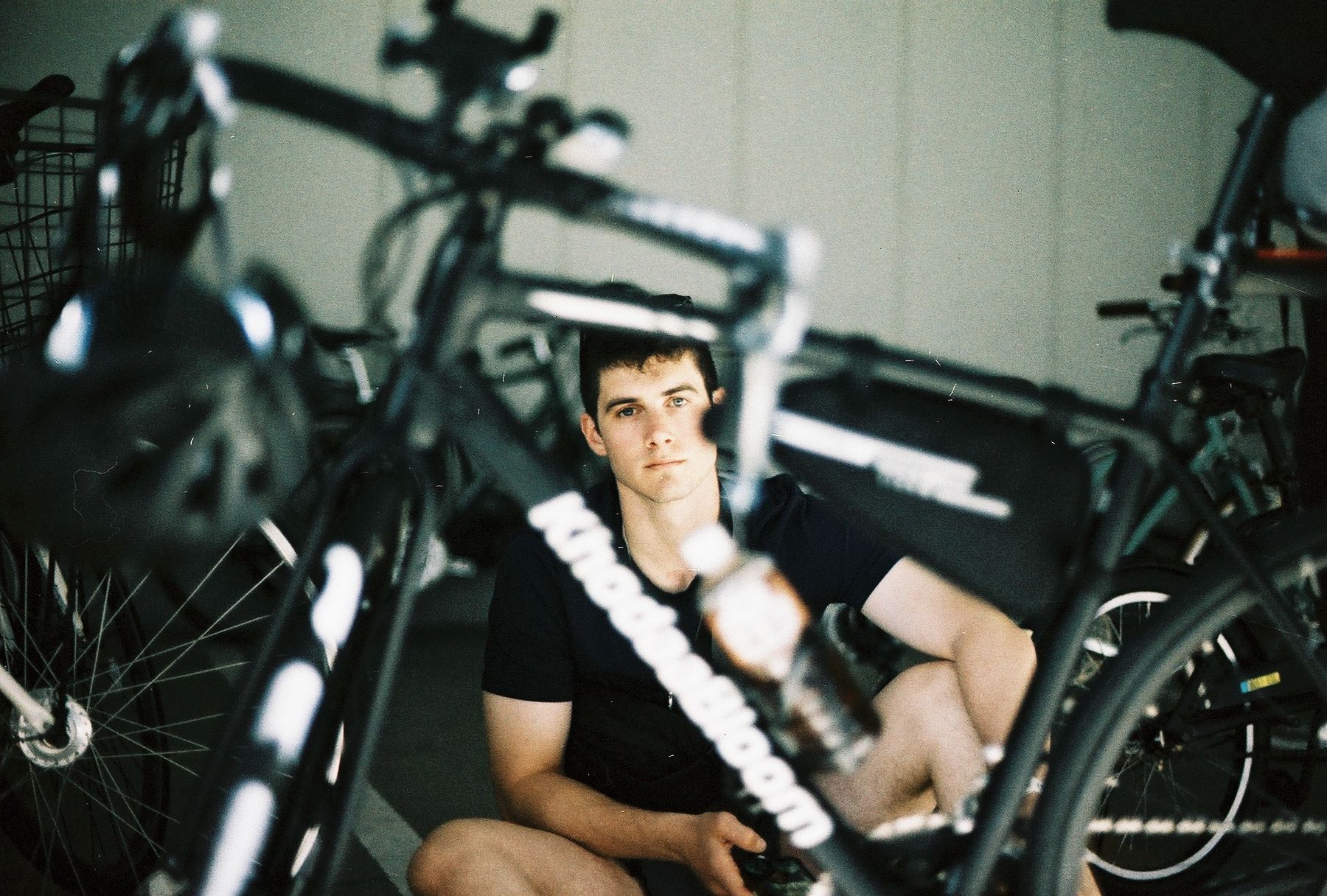
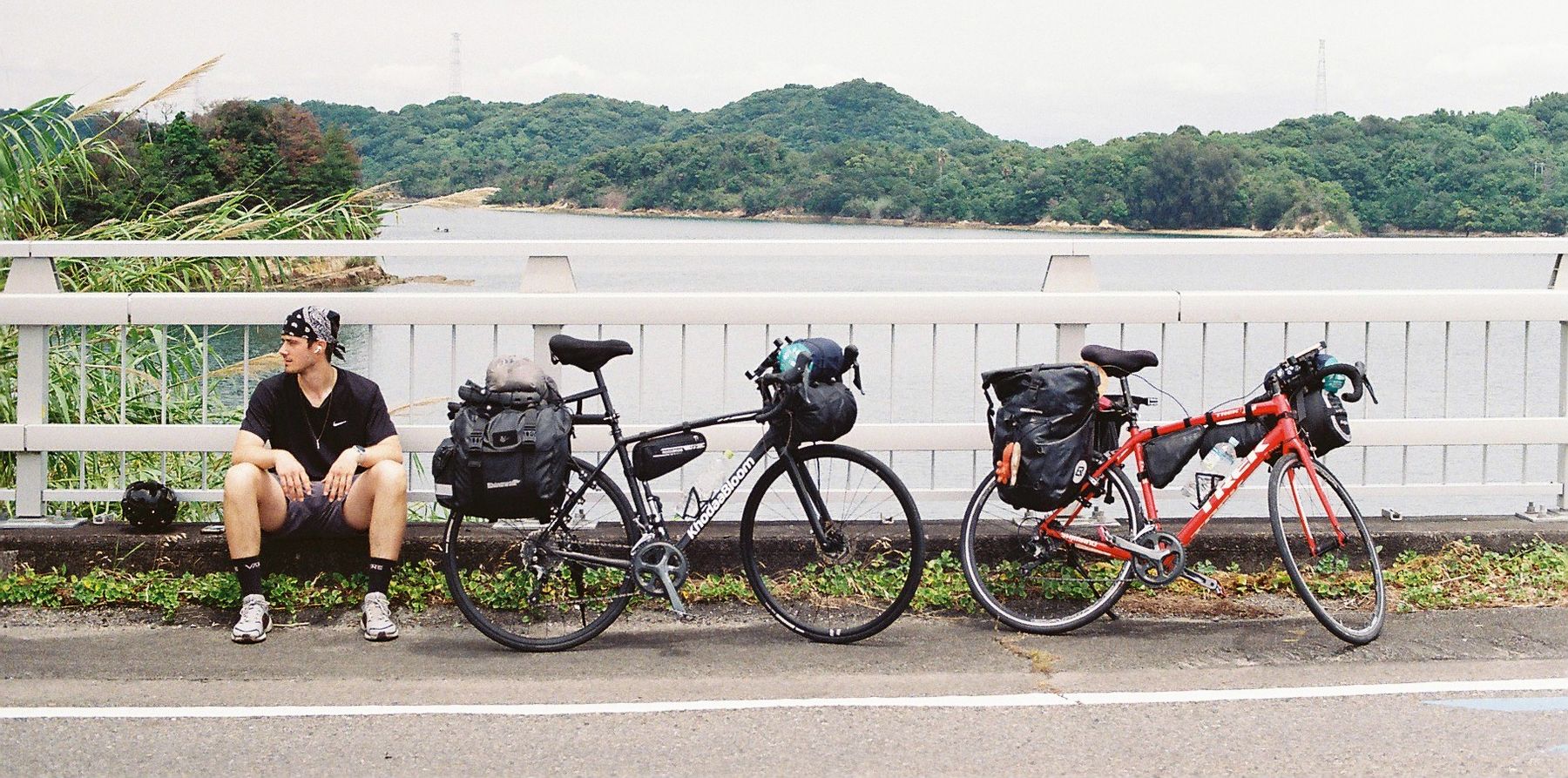
Coming from van life in new zealand, we had ZERO gear with us, and the most important thing we were missing was (of course) bikes. So, if you don't want the hassle of flying across the world with oversized bike boxes, or you simply don’t have one, you can do what we did: land with your bags, and buy your steeds second-hand.
We landed in Osaka, which is a decent hub for used gear. Our best friend for this was Buychari (バイチャリ), Japan’s largest and most reliable chain of second-hand bicycle shops. While Osaka treated us well, if you are looking for the ultimate selection, Tokyo is much larger and boasts a significantly higher volume of shops.
As tall people, we quickly hit our first hurdle: Japanese bikes run small, and the geometry is often tailored differently than what we were used to back home. Because we knew how flawlessly paved Japan’s infrastructure is, we opted for two road bikes. This gave us much more options, but it came with major trade-offs:
The Rack Problem: Road frames mean zero eyelets or anchoring points for traditional pannier racks. We found a specialized rear rack that clamps directly around the seat post. You can see which one worked (and which one didn’t) for us in the gear list page.
Weight Limits: If you take this route, pay attention to the frame's maximum weight capacity. Lightweight road frames (mainly carbon ones) aren't built to haul heavy loads.
Sticking to the Asphalt: This choice meant we rarely veered off onto gravel paths or dirt trails, but honestly, in Japan, the paved secondary roads are so extensive that this had zero negative impact on our routes.
Check out our second hand bike shopping tips here.
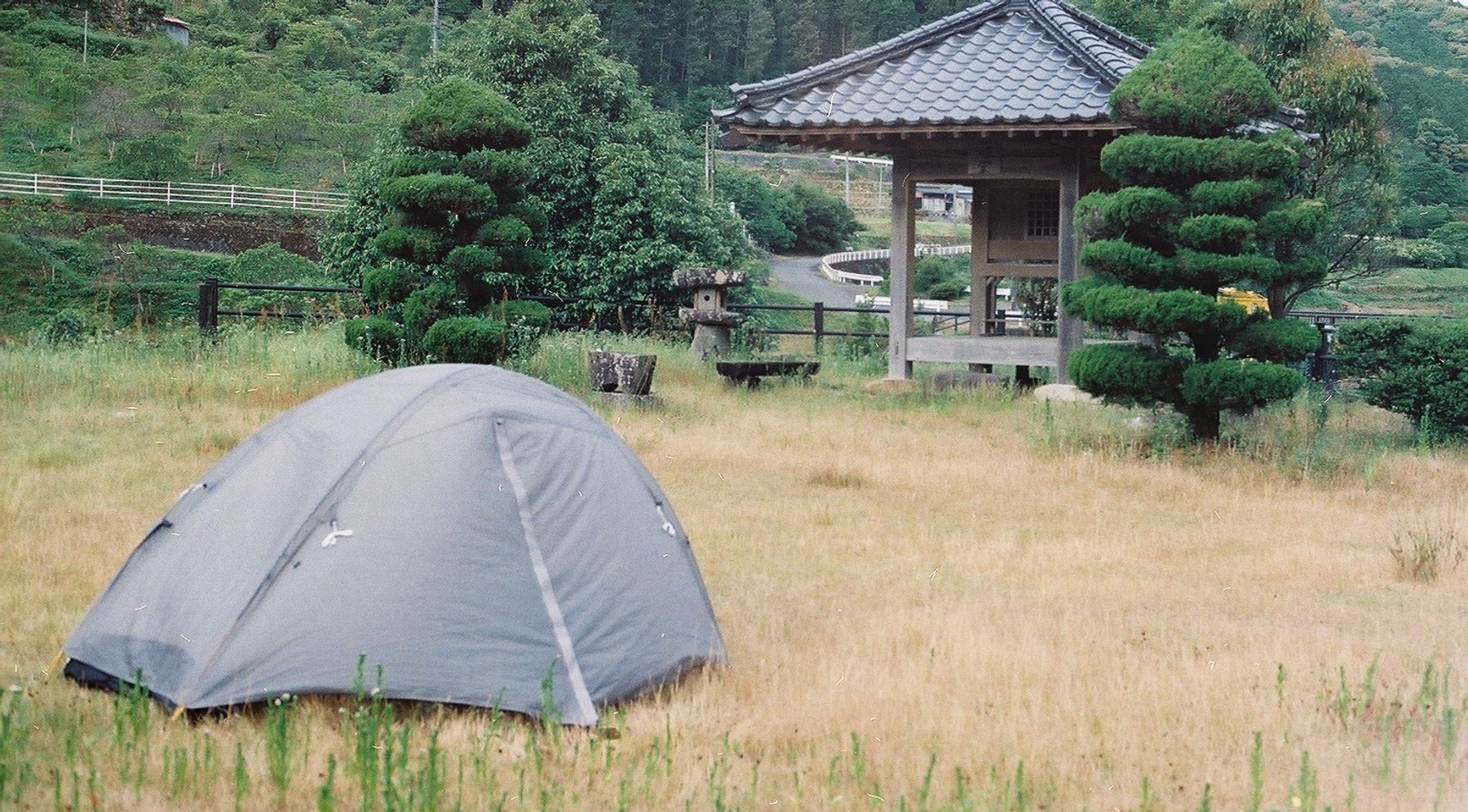
Wild camping in Japan is a gray area. Japan has an incredible network of official, pristine campsites that you can absolutely use whenever they align with your mileage.
BUT when the sun starts setting and you’re in the middle of nowhere, pitching your tent wherever you can is completely doable if you follow the Bikepacker's Code of Etiquette:
The Vampire Rule: We usually arrived at sunset, pack up and left by sunrise. If no one sees you, no one can be bothered by you.
Leave Zero Trace: We made sure we left nothing behind and packed our rubbish with us to the nearest konbini or supermarket, where they would let us throw it out.
The "Sumimasen" Permission Check: If we were near a residential area or spotted a local, we didn't hide. We walked up, smiled, and asked for their opinion, tips, or permission. This human element worked 95% of the time.
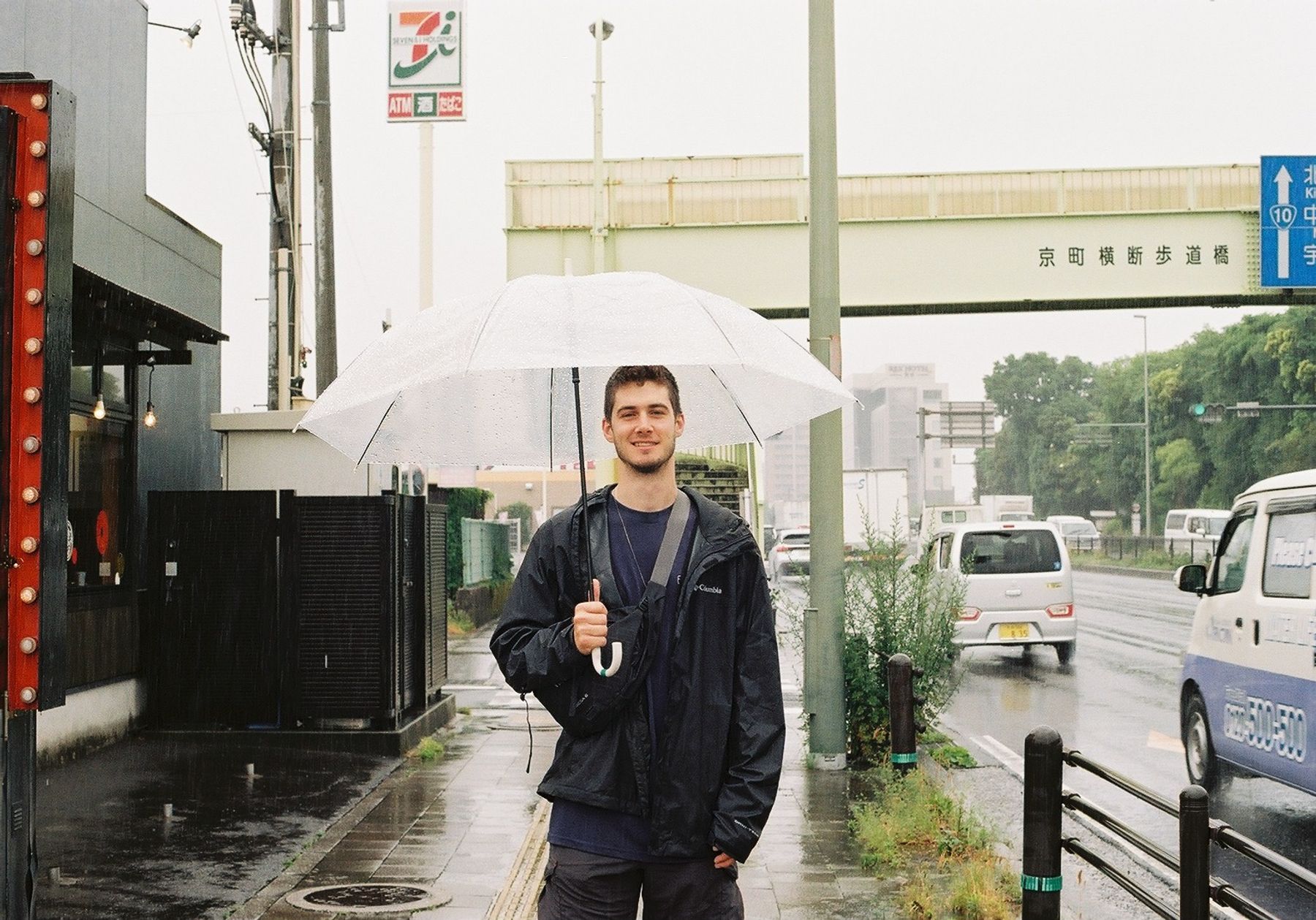
We rolled into Osaka in May, right at the start of Tsuyu (the rainy season), which creeps its way up from the southern islands. We didn't have a rigid plan, and locals actually warned us not to cycle Kyushu because of the downpours.
Spoiler alert: We did it anyway.
We started in Shikoku, which was warm and occasionally wet, but entirely bearable. When we pushed south into Kyushu, the rain turned heavy and frequent, forcing us to stop and take rest days every few days. By June, we hit Hokkaido, and it was absolute perfection.
Our takeaway? If you have a flexible schedule, you can bike Japan year-round. But if you have limited time and want a flawless, dry journey, here are the absolute sweet spots:
Kyushu: April–May or October–November. Avoid the summer heat and the brutal June rains. Autumn is supposed to be amazing.
Shikoku: April–May or September–November. The perfect climate for tackling the world-famous Shimanami Kaido bridges.
Hokkaido: June–August. While the rest of Japan is melting in the summer humidity, the northern wilderness of Hokkaido is crisp, cool, and a cyclist's paradise.
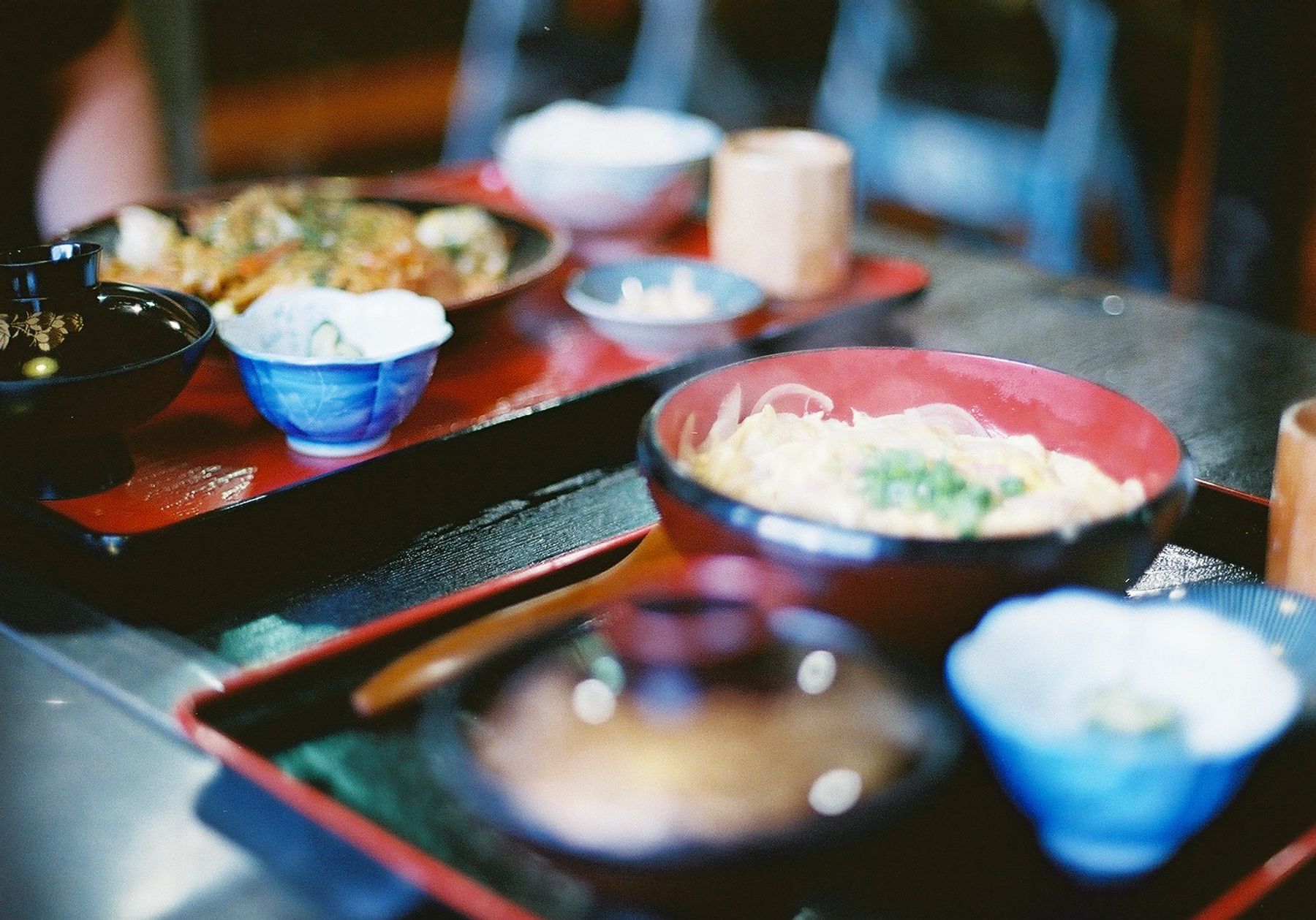
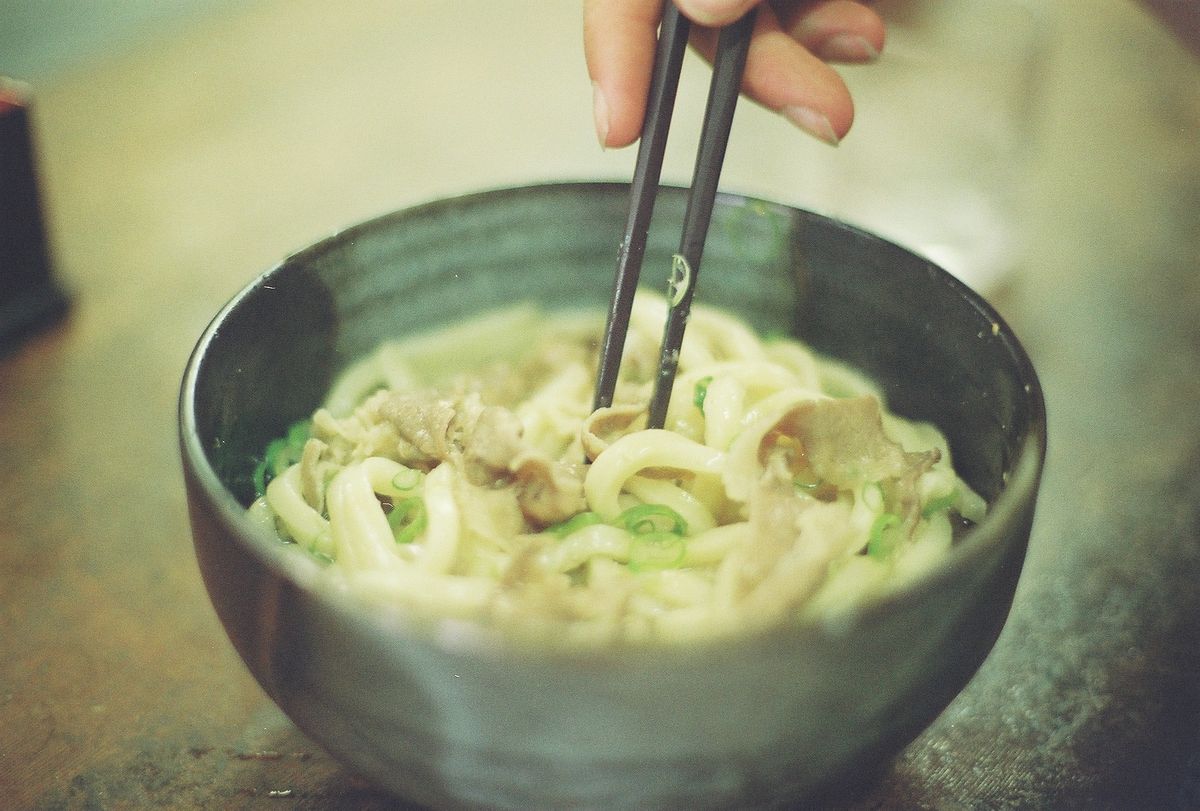
Let’s be honest: the food is the real reason we cycle. In Japan, your ultimate teammate is the Konbini (convenience store). They are perfect for fast carbs for the climbs, protein for muscle building, fresh veggies for our conscience, and a few matcha sweets for our souls.
Beyond the convenience store runs, our morning routine involved mapping out a reliable lunch spot along the route. A word of warning: restaurant opening hours in rural Japan change constantly and are rarely updated on Google Maps or Tabelog (the premier Japanese restaurant rating app). Always carry a backup snack in your frame bags!
The Lunch Slump: On days when we crushed a massive, heavy bowl of ramen for lunch, we quickly learned to budget "digestive down-time" into our time management. Trying to pedal up a 10% incline immediately after a sodium-heavy broth is a recipe for disaster.
The Caffeine Fix: By the end of the trip, we realized the tiny hot-can coffees from vending machines just weren't cutting it. Our ultimate morning hack? Buy a massive, 1-liter bottle of black coffee from a supermarket first thing in the morning and strap it to your rig. Fixed us right up for the day.
It feels incredibly odd at first. The concept of a Love Hotel can seem a bit sketchy or off-putting from the outside, but they are a budget-travel cheat code. They are everywhere, meticulously clean, exceptionally private, and surprisingly cheap. On days when the sky opened up and camping was impossible, these places fit the bill perfectly. If you let the weirdness go, your dry tent and wallet will thank you.
Most Japanese supermarkets (and convenience stores) have a massive daily selection of freshly cooked food: sushi, bento boxes, gyoza, and chicken katsu. Because they want to clear the shelves before closing, staff will start slapping discount stickers (Waribiki) on items, scaling from 10% to 50% off.
The exact hours vary, and you’ll be competing against local shoppers, but timing your run between 1 to 3 hours before closing is the sweet spot. You get a massive, high-calorie dinner for pennies, and there's still enough stock left to choose from.

Ahhh, the sheer joy of washing off the day's grime in a steaming hot natural bath. Onsens are everywhere in Japan. Even though not all of them use natural hot spring water, some are local sentō (public bathhouses), having them scattered across the country allowed us to wrap up almost every single riding day with a hot soak and a moment of pure relaxation before we went to pitch our tent.
Most public baths are budget-friendly, costing us anywhere between 500 to 750 yen. While almost all of them provide body soap and shampoo, some spots might charge an extra fee for them, and many do not provide free towels. It is a good idea to keep a small, quick-drying travel towel handy in your frame bag.
Like most traditional bathhouses around the world, onsens are enjoyed completely nude. They are gender-segregated 98% of the time. You must sit on one of the little plastic stools at the washing stations and thoroughly shower and scrub your body clean before you think about stepping into the hot water.
One of us has tattoos and we had zero trouble. Although a few spots had signs in the changing areas stating that tattoos were prohibited, nobody ever approached us or said anything directly. If you behave respectfully and follow the washing rules, you generally won't have any issues.
Keep an eye out for larger onsens that have their own restaurants on the premises. These are an absolute jackpot. They serve delicious, local, and cheap food in a very laid-back setting. Plus, there is nothing better than filling your belly right after getting clean, knowing you don't have to pedal any further to find dinner.
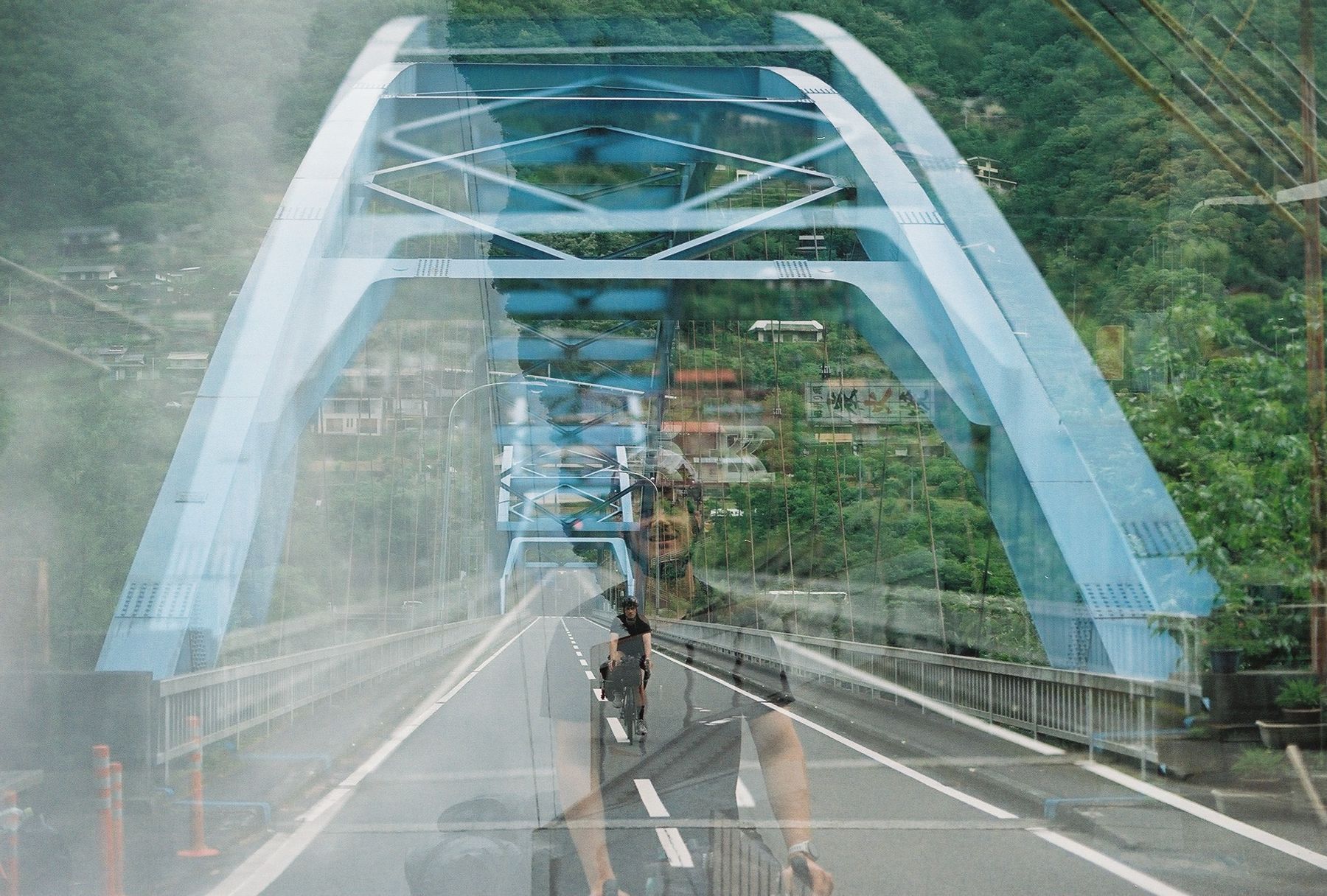
Japan runs on social harmony and mutual respect. To ensure you stay on the good side of the locals, keep these non-negotiable rules in mind:
Ride on the Left: Bicycles are legally considered "light vehicles." You must always ride on the far left side of the road, flowing with traffic, never against it.
The Two-Stage Right Turn: You cannot cross an intersection diagonally to turn right like a car. You must proceed straight across to the opposite corner, stop, turn your bike to face the new direction, and wait for the light to turn green.
The Silence of the Bell: Do not aggressively ring your bell to clear pedestrians off a shared sidewalk. It is considered incredibly rude. Instead, slow down to a walking pace, trail them safely, and say a polite "Sumimasen" (Excuse me) to pass.
guide
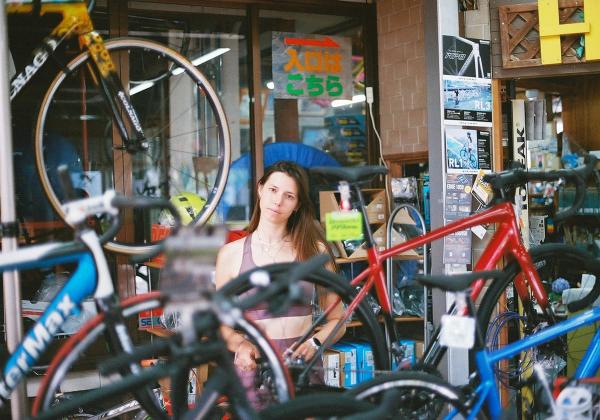
Buying a second hand bike in Japan offers some amazing opportunities, but it can also be slightly overwhelming (at least it was for us). Here's what we learnt.
guide
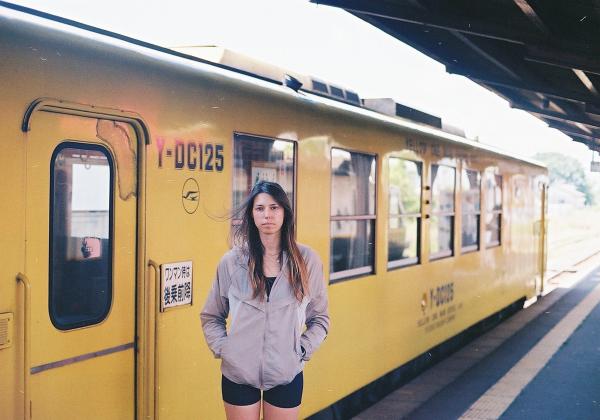
Japan has an amazing train system that pretty much covers the entire country. Here's how we easily got on and off easily using our rinko bags.
route · 650km · 7 days
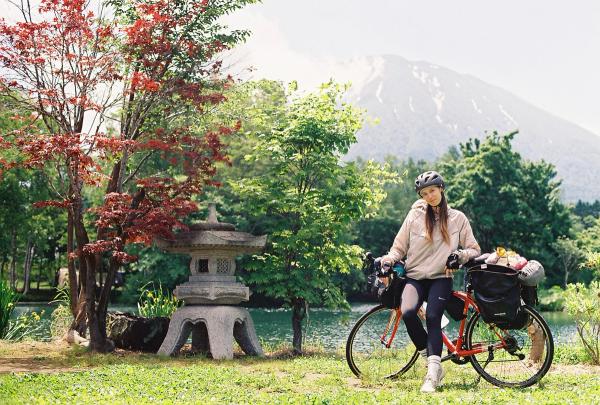
Bikepacking Hokkaido travel journal.
route · 550km · 8 days
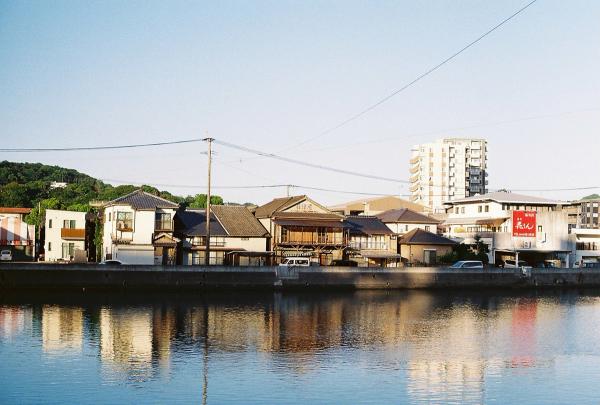
A travel journal of our bikepacking route in Kyushu.
route · 400km · 7 days
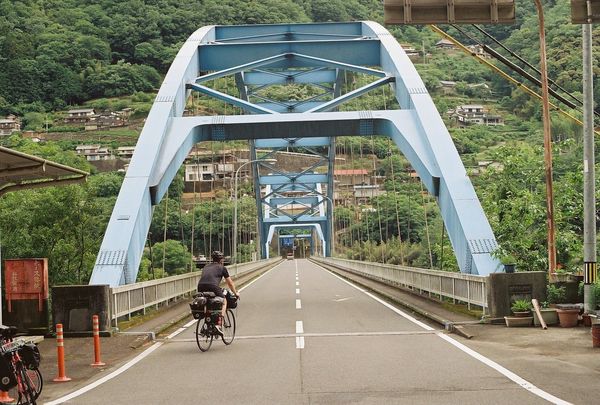
This is our travel journal bikepacking Shikoku.