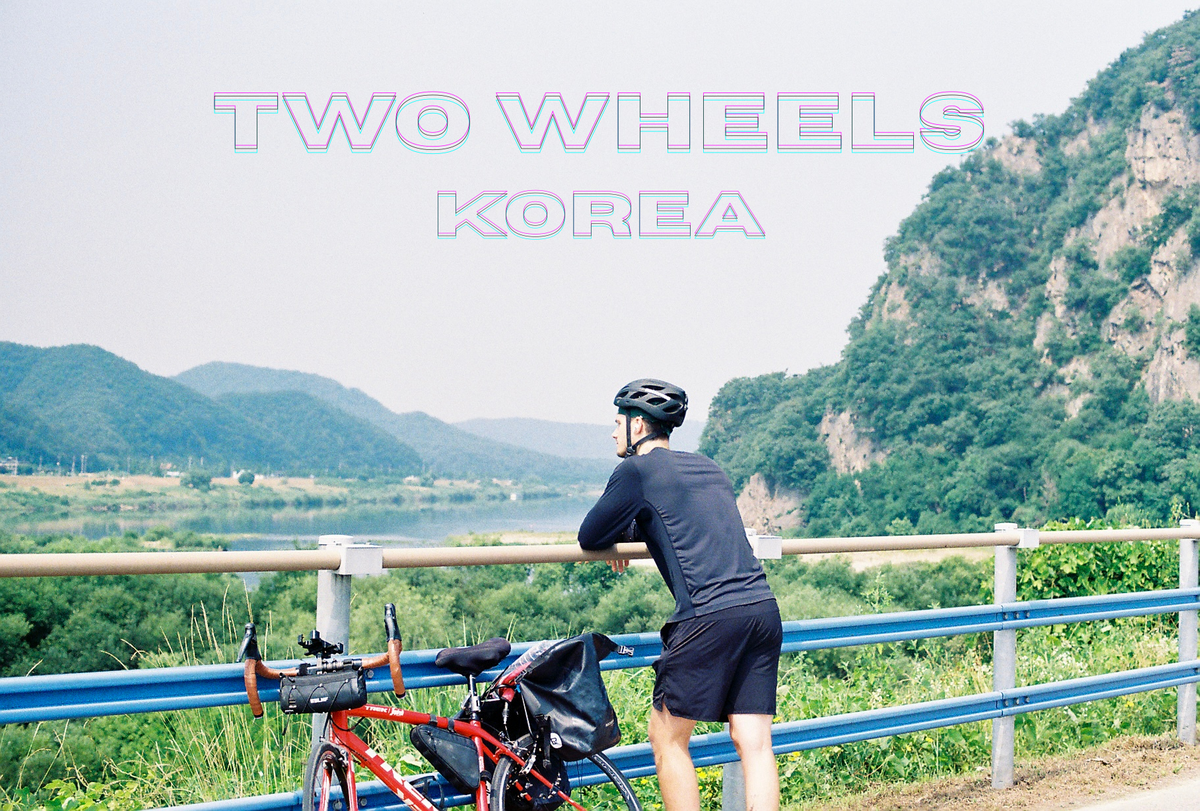
South Korea is a cyclist’s heaven. The country is heavily cycling-oriented, and almost everything is paved and ready to roll on. As you ride, you will constantly see locals gliding past, and they always seem to have a warm smile or a quick tip for the next hill or coffee stop. Transitioning here straight from Japan gave us a great contrast in rhythm, food, and terrain. This is a practical guide to the daily logistics, food, and accommodation, based on what we learned riding across the country. There is another page dedicated to our route in detail.
South Korea is a cyclist’s heaven. The country is heavily cycling-oriented, and almost everything is paved and ready to roll on. As you ride, you will constantly see locals gliding past, and they always seem to have a warm smile or a quick tip for the next hill or coffee stop. Transitioning here straight from Japan gave us a great contrast in rhythm, food, and terrain. This is a practical guide to the daily logistics, food, and accommodation, based on what we learned riding across the country. There is another page dedicated to our route in detail.
We quickly learned that Google Maps does not work well and is completely unreliable in South Korea due to local restrictions. When we tried to use it, we got broken paths or no directions at all.
Because of that, we relied entirely on Naver Maps for our daily route planning. We have also heard Kakao works, but didn’t try it ourselves. Just like we noticed in Japan, the operating hours for businesses on the app weren't always perfectly accurate, but you make do.
We arrived pretty set on our gear since we came straight from Japan, but we noticed that Seoul would be a great place to buy anything you might need. Starting the 4 rivers route from Seoul, the city is full of bike shops with a nice selection. It didn't seem necessarily cheap to us, but the gear is high quality and we saw quite a few sales running.
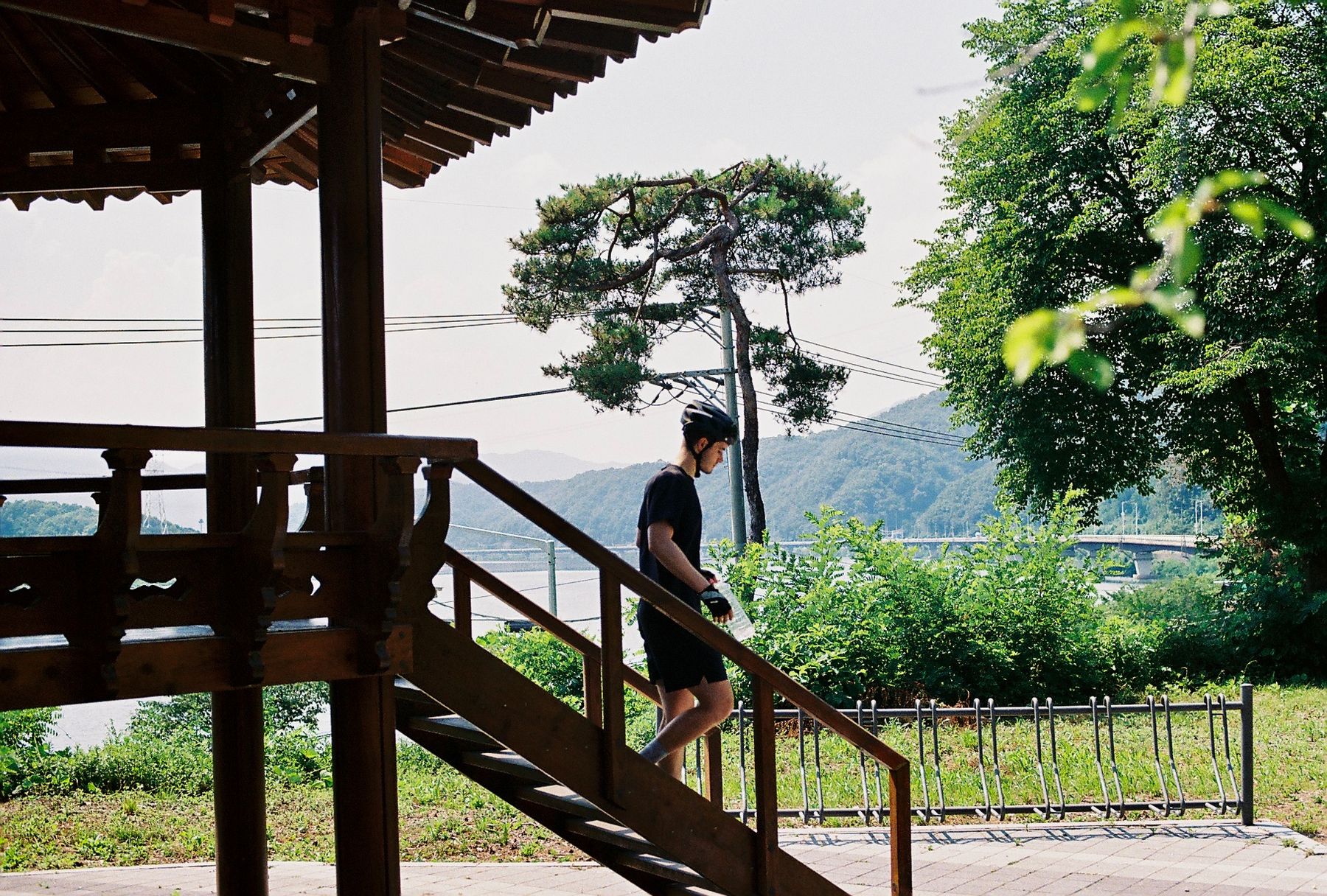
Since cycling is such a major local and tourist attraction, the main paths were usually well covered by restaurants and convenience shops. That being said, they weren't always exactly on the trail. We often had to add a few extra kilometers to our route just to detour into a town to fuel up on time. We would recommend having some back up in one of your bags, or planning your stops in advance.
Convenience stores covered us for snacks, instant noodles, coffees, and smaller ready-made food like onigiri or gimbap. However, we felt they weren't as heavily stocked with larger, ready-made meals like we were used to in Japan.
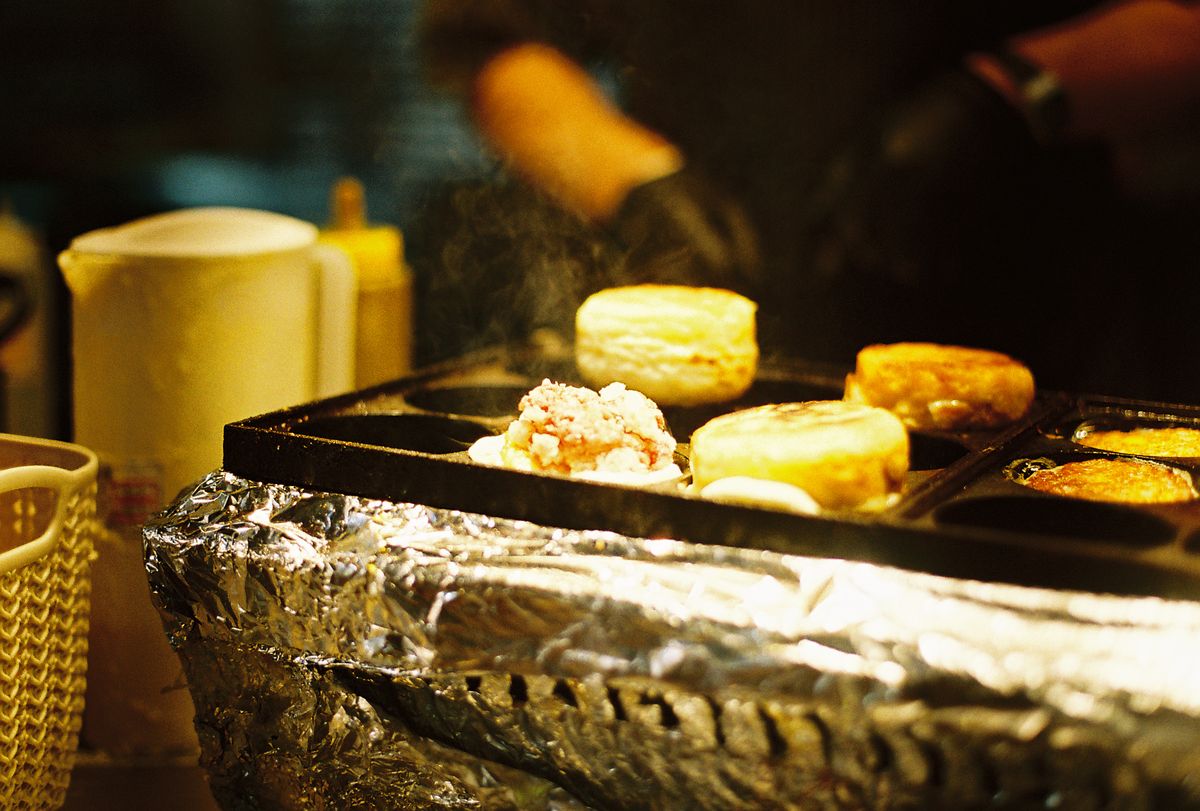
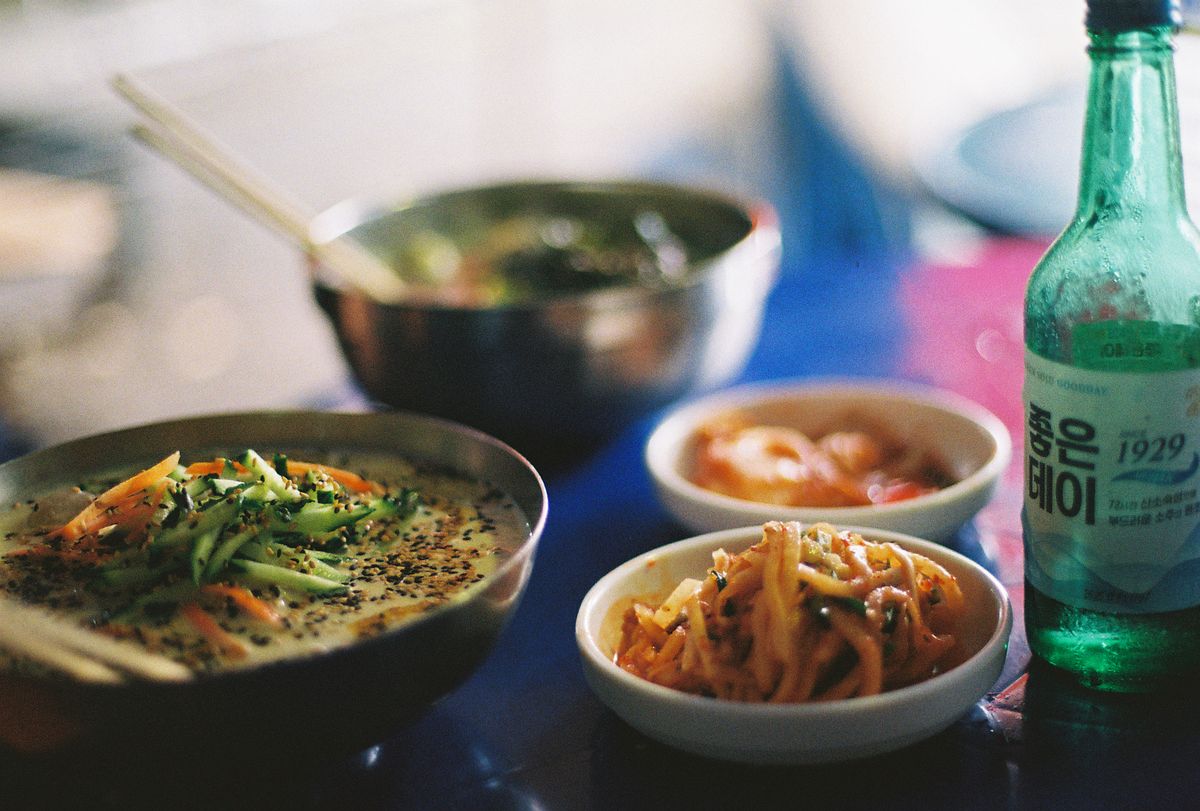
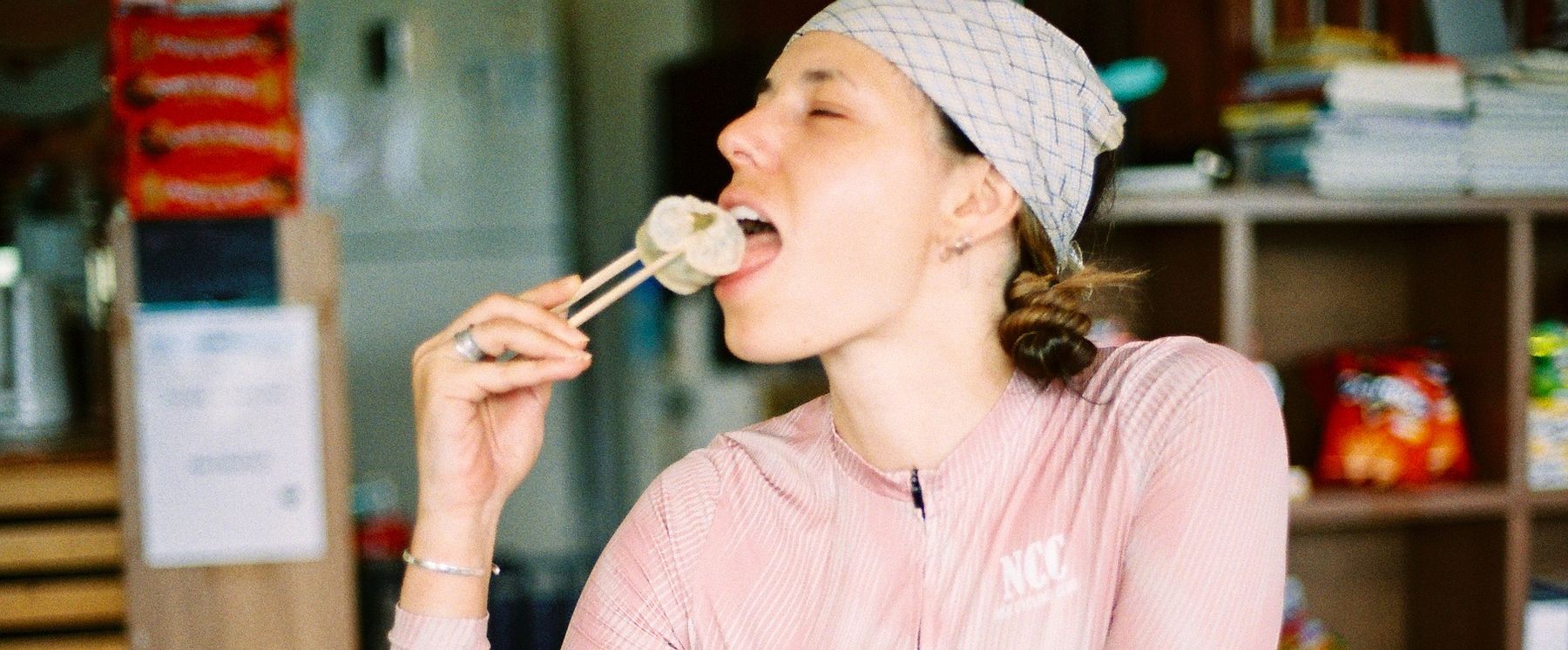
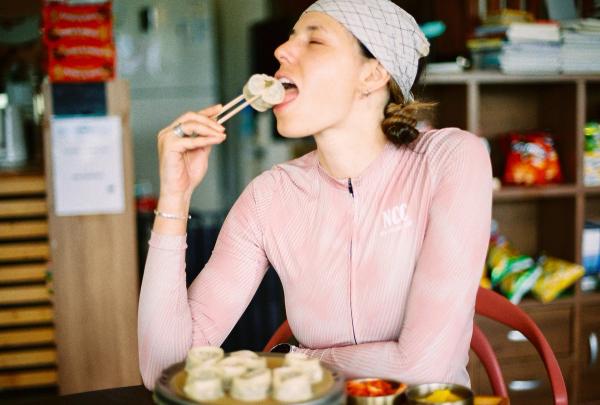
Because of that, we ended up spending more time in local restaurants eating proper meals which turned out to be a massive win-win for us. We loved the food, especially the cold noodles (Naengmyeon, amazing for hot days), savory scallion pancakes, Jjimdak (braised chicken and noodles), and Korean fried chicken.
We are quite health oriented (as well as taste and experience oriented) so we did try to have at least one protein heavy meal a day, and had some great options to choose from! Most of the time dishes were sharing size and we would order one beef, chicken or tofu dish for the both of us. Carbs were mainly rice or noodles, and for fibre and gut health we would devour a few plates worth of the side salads at each meal. These were refilled for free almost always.
Camping in South Korea is straightforward and very common. You will see tents set up by both locals and tourists along the river paths, and it is easy to find a spot to pitch for the night.
We rode the Seoul-to-Busan route during June and July, so the nights had become quite hot. After two months of continuous camping in Japan, we decided to take a break and stayed mostly in indoor accommodations, which we found to be quite affordable.
Our stays varied from love hotels to Jjimjilbangs:
Love Hotels: Just like in Japan, these are cheap, incredibly clean, private, and offer great value when you need a real bed and a hot shower on a rainy day.
Jjimjilbangs: A Jjimjilbang is a mix between a spa, an onsen, and a recreation center. Many of them allow overnight stays. For a small fee, you get access to the hot baths, a change of clothes, and a shared sleeping hall where you sleep on a thin mattress on the floor. It is a very cool experience and highly recommended.
Accommodation on the road is cheap once you leave the major cities, usually costing us between $15 and $35 USD per night. Prices do go up in the larger cities, as well as on weekends and public holidays.
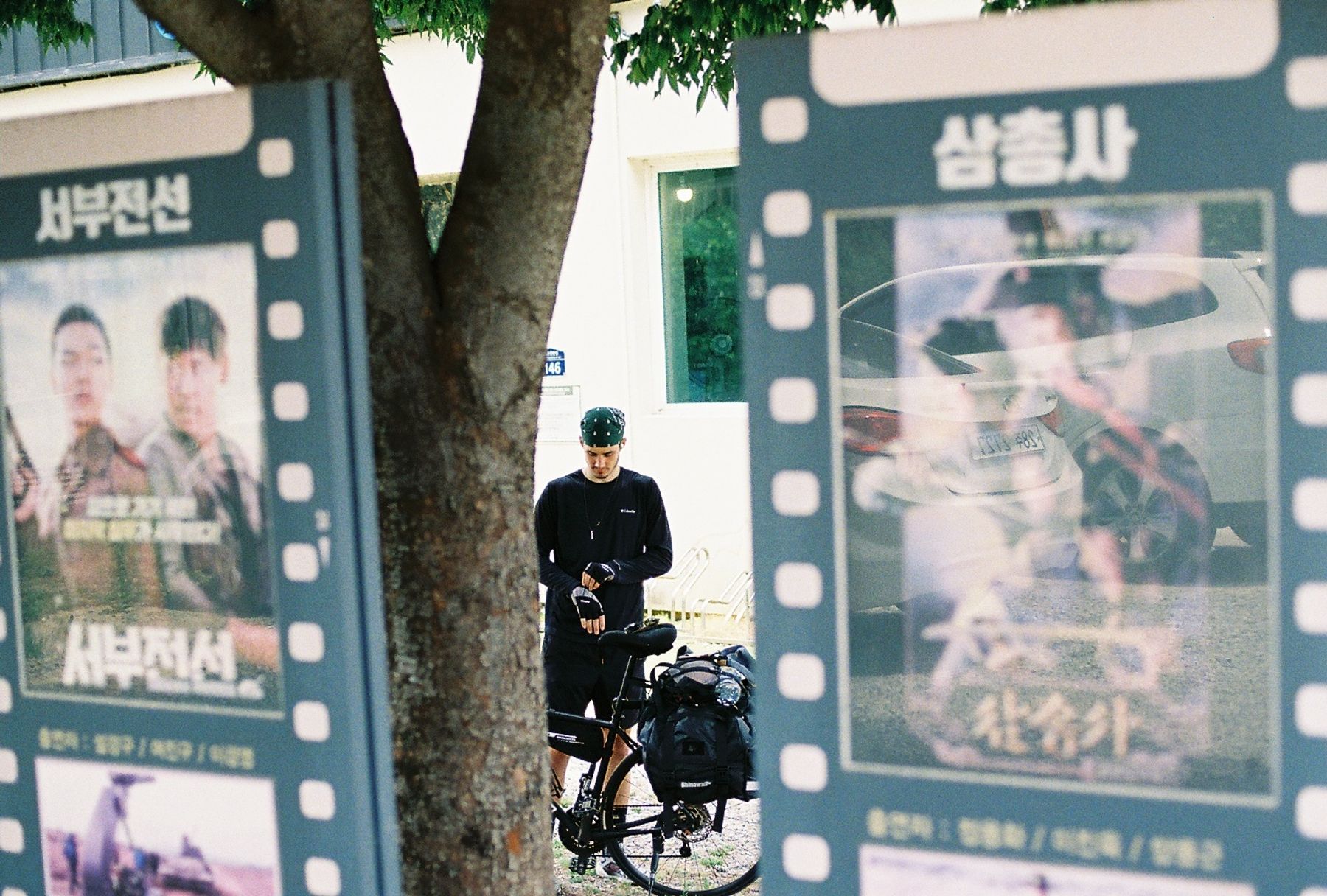
Honestly, we expected the weather to be much worse for the June-July season we chose. It got hot on some days, but overall it was bearable and almost entirely dry, though we might have just gotten lucky avoiding the heavy summer rains. The sun was out and the views were clear.
That being said, we would have preferred it to be slightly cooler. We recommend planning your trip during these windows:
September to October (Autumn): This is the ideal window. The temperatures are crisp, the air is dry, and you get to ride through the changing autumn leaves.
April to May (Spring): This is another excellent choice. The weather is cool, dry, and you will often find yourself cycling under tunnels of blooming cherry blossoms.
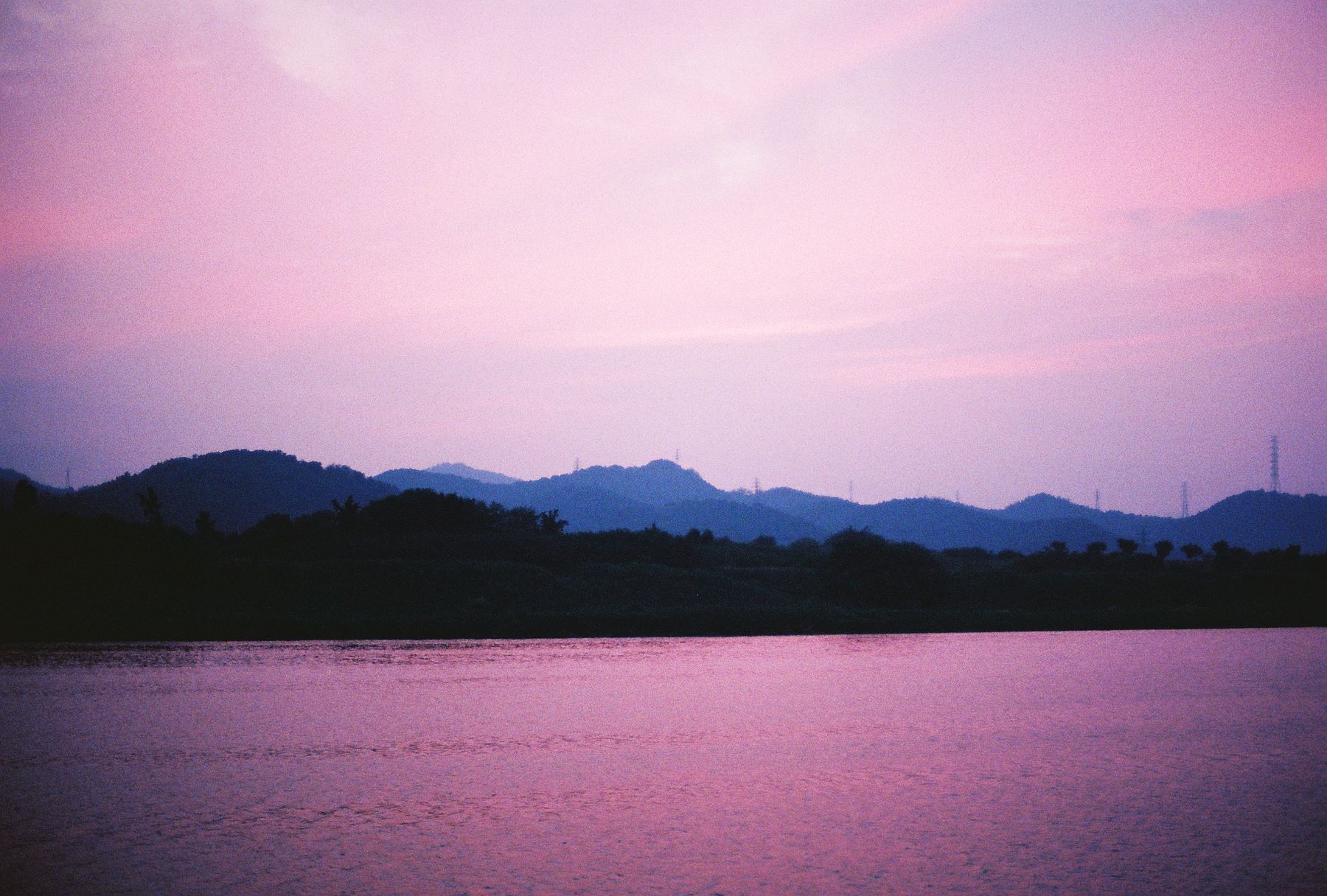
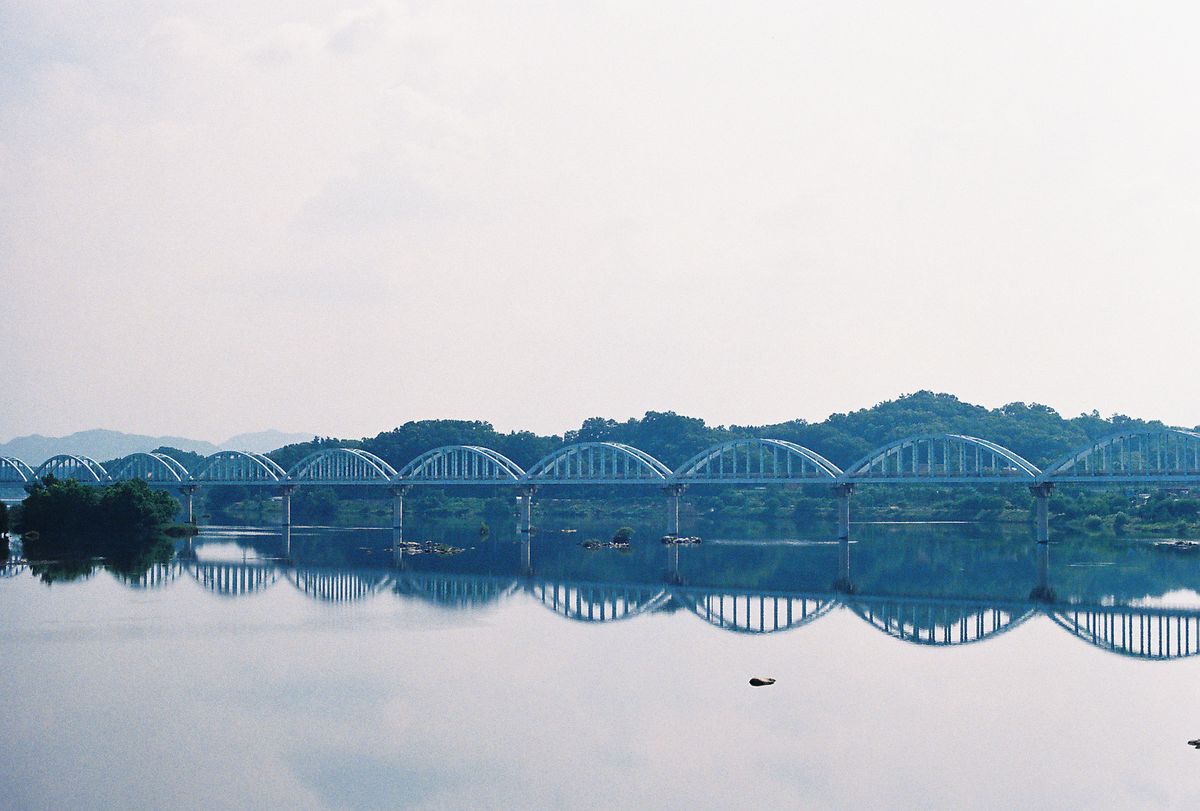
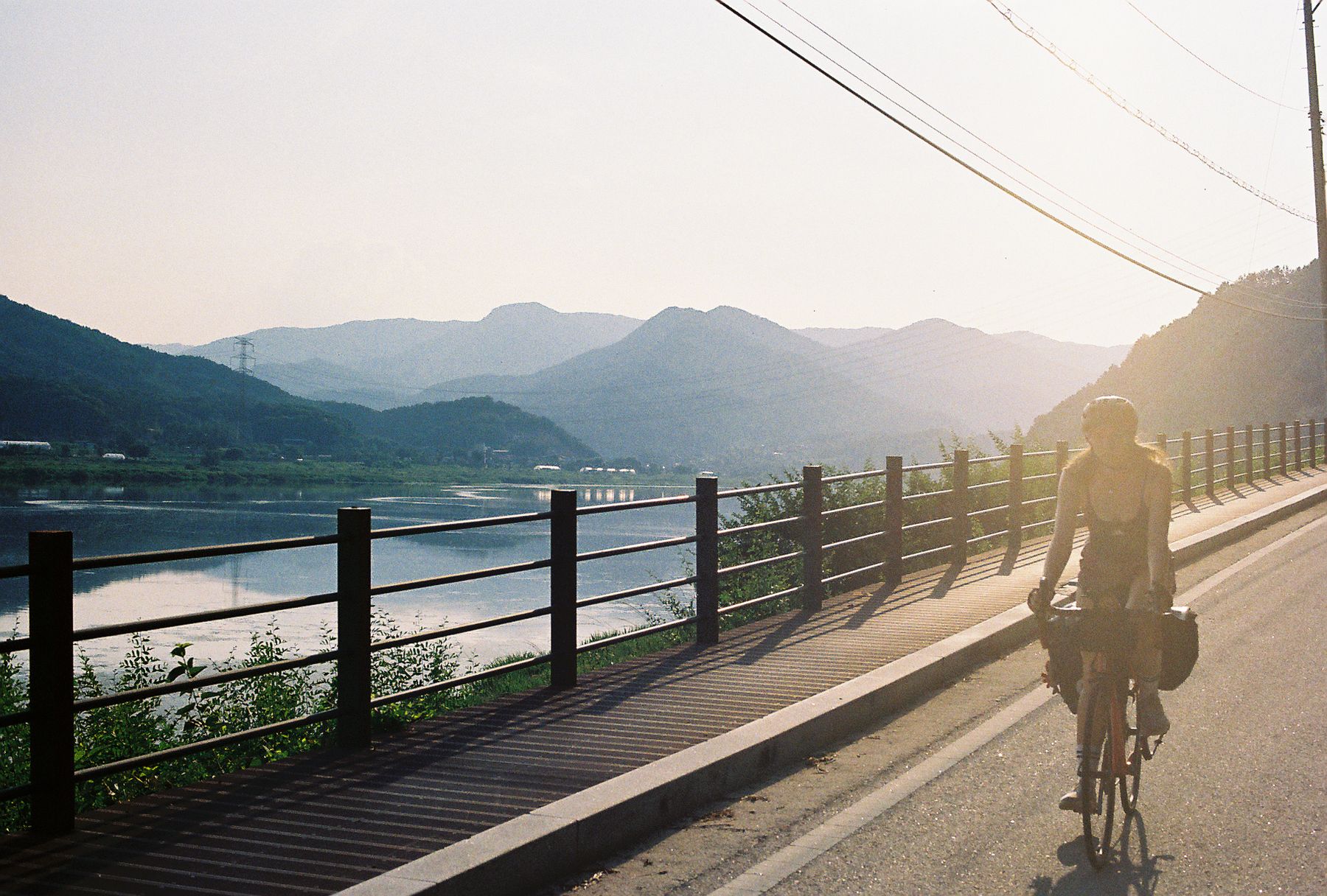
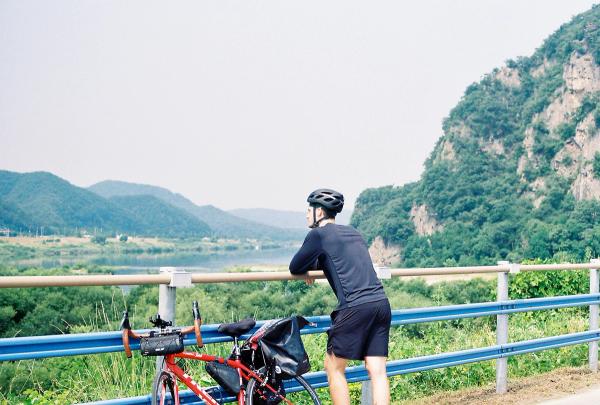
The 4 Rivers path system is a massive network of dedicated, car-free bike paths that run across the country, allowing us to ride all the way from Seoul to Busan completely separated from highway traffic.
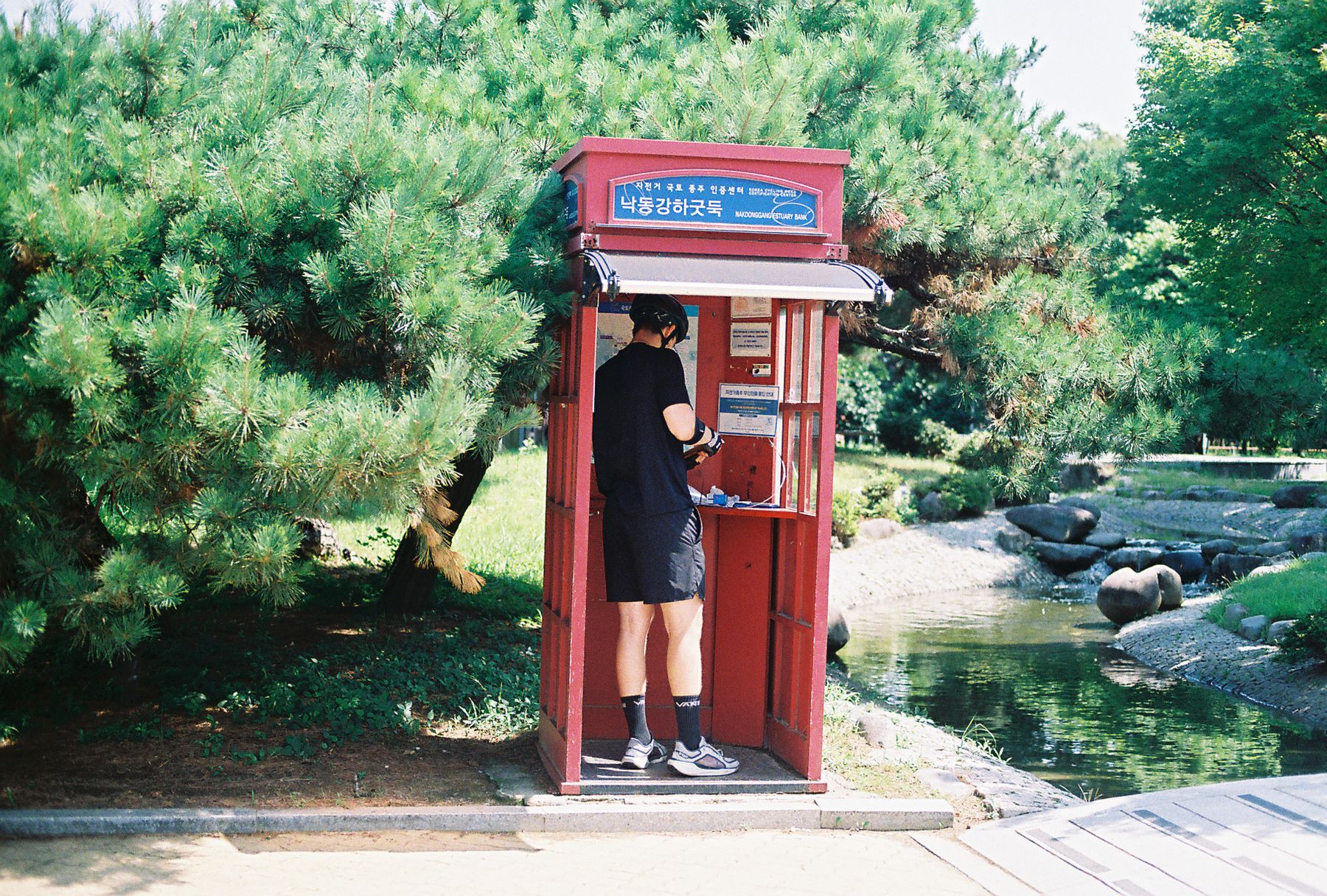
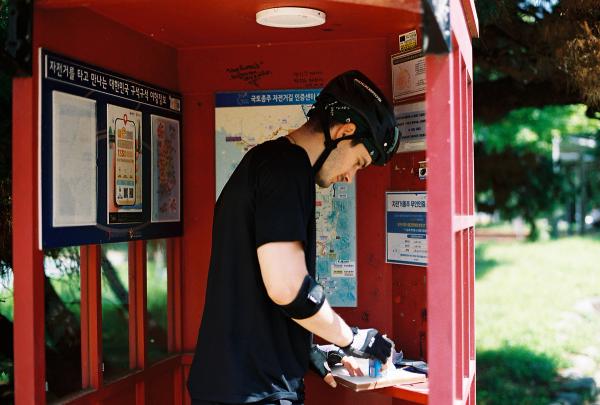
The country has a certification system that makes the journey feel a bit like a game. We bought a physical blue passport at the trailhead in Seoul and collected stamps at old-school red telephone booths placed every 20 to 30 kilometers along the trail. Once we reached the end in Busan, we presented our stamped passport to get an official certificate and a medal. It was gimmick-y but cute and a nice souvenir to take home.
guide
If you spend even five minutes on the Seoul to Busan Four Rivers route, you will spot them: bright red, vintage-style telephone booths placed every few kilometers along the river banks. Inside, there is an ink stamp for your official certification booklet.
guide
Cycling across Korea in the summer means dealing with serious humidity and heat. We regularly received loud public safety emergency alerts broadcast directly to our phones advising people to stay indoors. We still pushed through 70 km to 100 km days, but only by adapting our daily rhythm.
guide
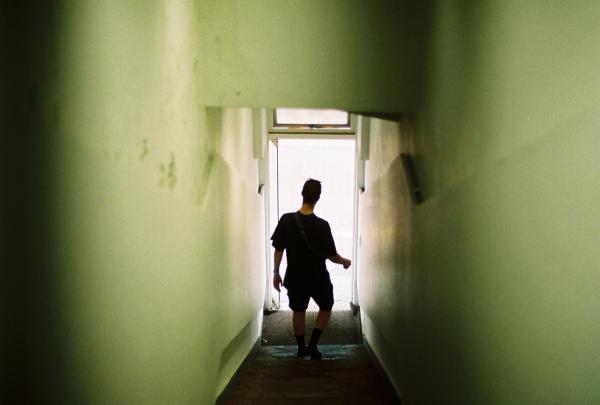
Before landing in Korea, we expected to sleep in Jjimjilbangs (traditional Korean bathhouse saunas) almost every single night of our ride. The reality turned out to be quite different, mostly due to post-COVID closures, and we ended up relying heavily on Korea's ubiquitous love motels instead.
route · 670km · 8 days
We cycled from Seoul to Busan (can also be done the other way around) on one of the smoothest and most organized routes in Asia. Here's our experience.